Most visitors see this village from one viewpoint, at midday, shoulder to shoulder with a few hundred strangers. Arrive before the first tour bus, and the lakefront feels like it belongs to you.
Hallstatt, Austria, is a village of fewer than 800 people squeezed between a steep mountainside and the dark water of Lake Hallstatt. Pastel houses climb the slope, a slim church spire rises from the shore, and the Dachstein peaks close the view at the end of the lake. It looks like a film set, but people have lived and worked here for thousands of years. In this article, you’ll find what to see in one day, how to get there from Salzburg or Vienna, what changes in winter and where to stay if you decide one day isn’t enough.
💰 Pension Hirlatz - Traditional rooms with a sauna in the quiet Echern valley, a 20-minute walk from the center.
🏨 Seewirt Zauner - Family-run hotel right on the market square, with lake or mountain views.
💎 Heritage Hotel Hallstatt - Upscale stay in three historic buildings with a lakeside terrace.
Why is Hallstatt so famous?
Salt made Hallstatt. Its name is often explained as “place of salt,” and miners were digging into the mountain above the village thousands of years before the Romans arrived. The wealth from that salt left behind one of Europe’s richest prehistoric burial grounds. Archaeologists found it in the 19th century, and an entire era of the European Iron Age now carries the village’s name: the Hallstatt culture, roughly 800 to 400 BC. Historians also speak of the Hallstatt period when they describe that time.
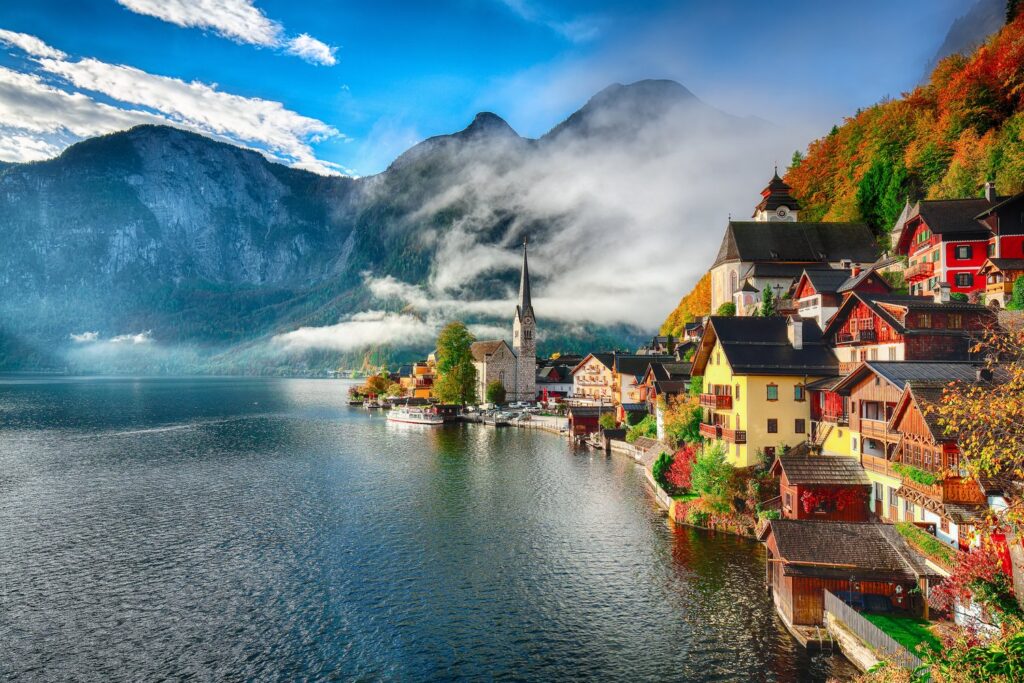
In 1997, the area became a UNESCO World Heritage Site as part of the Hallstatt-Dachstein / Salzkammergut Cultural Landscape. Tourism grew fast after that, and social media did the rest. On busy summer days, the picturesque town sees thousands of day visitors, which is a lot for a single lakeside street. Around a million people visit every year, and in 2020 the village introduced time slots and a daily cap for tour buses. That’s the main reason why timing matters so much when you plan your own trip.
FUN FACT: A full-size copy of the village was built in Huizhou, in southern China, and opened in 2012.
Things to do in Hallstatt on a day trip
The village is small, and most sights sit within a 15-minute walk of each other. You can see the highlights in four to six hours. If you want the salt mine and the Skywalk too, plan for a full day.
Wander the market square and the lakeside lanes
Start at the market square (Marktplatz), framed by colorful houses and a Holy Trinity column. Most of the buildings you see date from after a great fire in 1750, which destroyed much of the square. From here, narrow lanes and staircases climb between the houses. Take any of them. Some lead to tiny gardens, others to wooden balconies stacked with firewood, and a few end at quiet viewpoints over the lake.
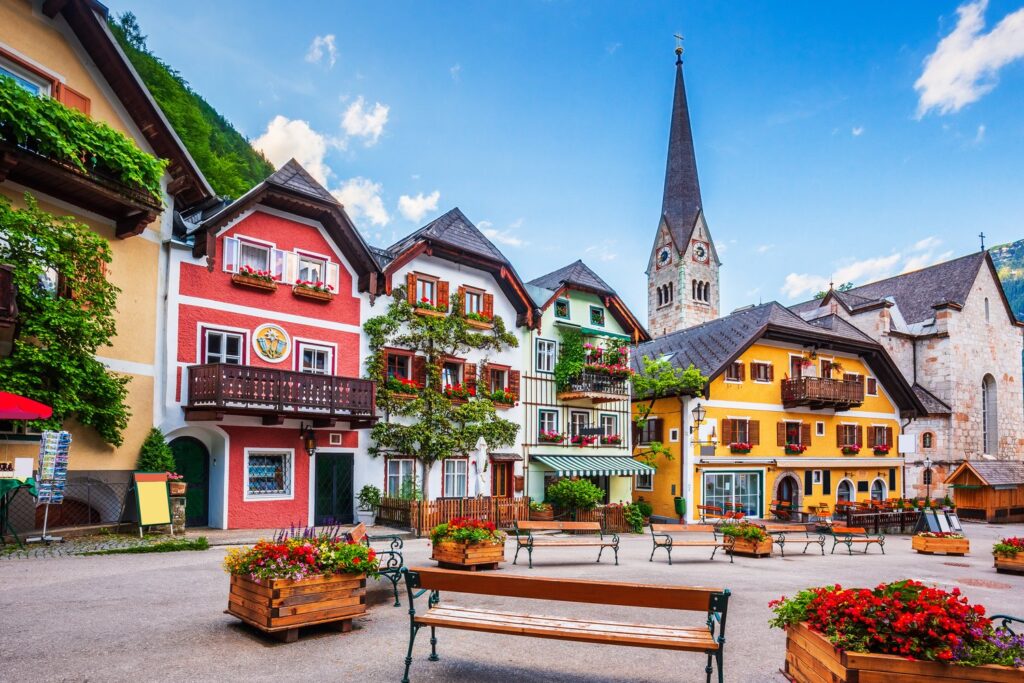
Along the water, you’ll pass boathouses, swans and benches facing the mountains. Remember that this small town is a real village, not an open-air museum. Many of the houses are private homes, so keep your voice down and don’t climb onto steps or terraces for photos.
Take the classic postcard photo
The famous view, with the church spire in front of the lake and the houses behind it, is at the northern end of the village along Seestrasse. It’s easy to find, because there’s usually a line of people with phones in the air. Come before 9 a.m. or after 4 p.m., when the tour buses arrive and leave. Midday is the busiest time, since most tour buses arrive between 10 and 11 a.m.
Visit the Catholic church and the Bone House
Climb the covered stairs to the Catholic church of Maria am Berg, which overlooks the rooftops. Inside, look for the late Gothic winged altar. Next to it stands the small St. Michael’s chapel, home to the Hallstatt Bone House (Beinhaus). It holds more than 600 painted skulls, many decorated with names, dates and wreaths of flowers or ivy.
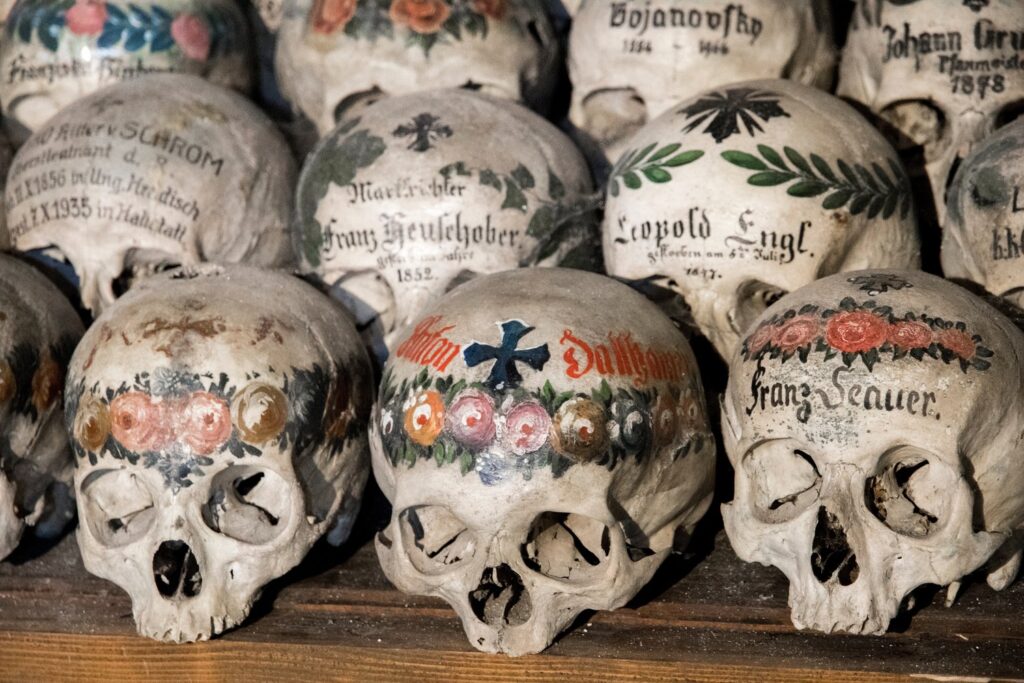
Why does this ossuary exist? In a village with almost no flat land, graves in the tiny churchyard were reused. Bones were later exhumed, cleaned and moved to the Hallstatt ossuary in a kind of second funeral. Most of the painting was done in the 19th century. It’s a strange and moving place, so plan for 15 minutes and a few quiet moments.
See the Lutheran church on the shore
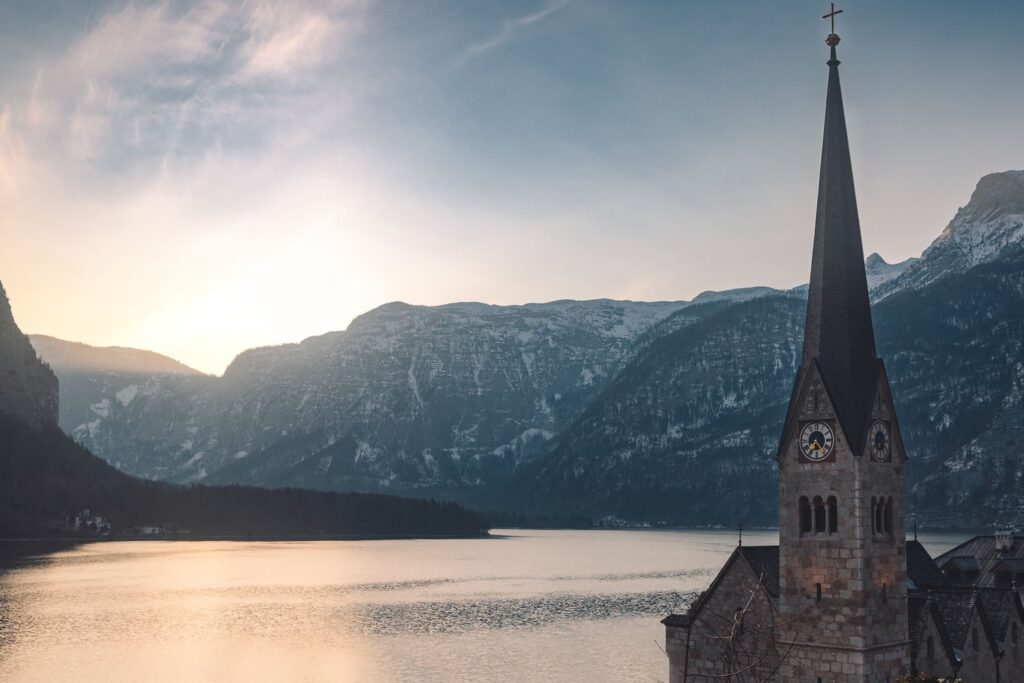
The slim white spire in every photo of Hallstatt belongs to the Protestant (Lutheran) church, built in the 1860s right on the waterfront. It’s simple inside, but its setting is hard to beat. Stand on the little pier next to it, and you’ll understand why so many painters came here long before Instagram.
Ride the funicular to the Hallstatt Skywalk
The Salzbergbahn funicular climbs from the Lahn part of the village to the Salzberg high valley in about three minutes. A short walk from the top station brings you to the World Heritage View (Welterbeblick), better known as the Hallstatt Skywalk. The platform juts out about 1,150 feet (350 m) above the rooftops. From there, you get a panoramic view of the village, the lake and the surrounding mountains that no photo from the shore can match.
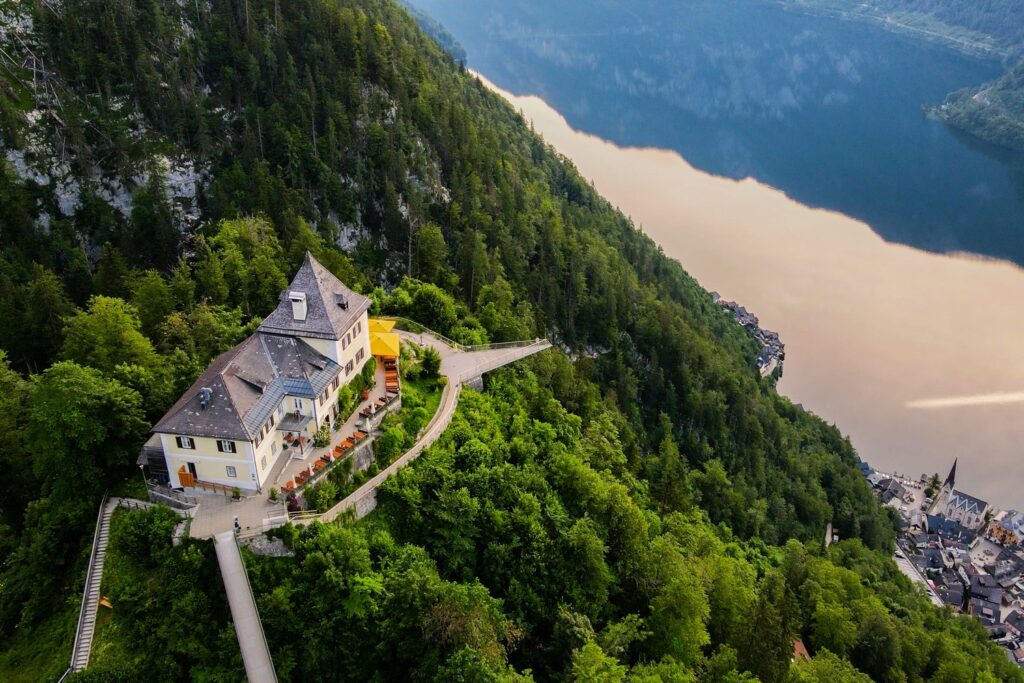
The Skywalk is part of the funicular ticket, so it isn’t free. The funicular and the salt mine went through a major renovation and reopened in late summer 2026. Opening hours change with the seasons, and the funicular usually closes for a few weeks in January for maintenance, so check the timetable before you go. Right below the platform, the Rudolfsturm tower houses a restaurant with breathtaking views.
Tour the Hallstatt salt mine
The Hallstatt salt mine (Salzwelten Hallstatt) is often called the world’s oldest salt mine. People have extracted salt here for about 7,000 years, and the mountain is still mined today. A guided tour takes you through narrow tunnels in miners’ overalls. You’ll ride a wooden miners’ slide of about 210 feet (64 m), the longest in Europe, and cross an underground salt lake.
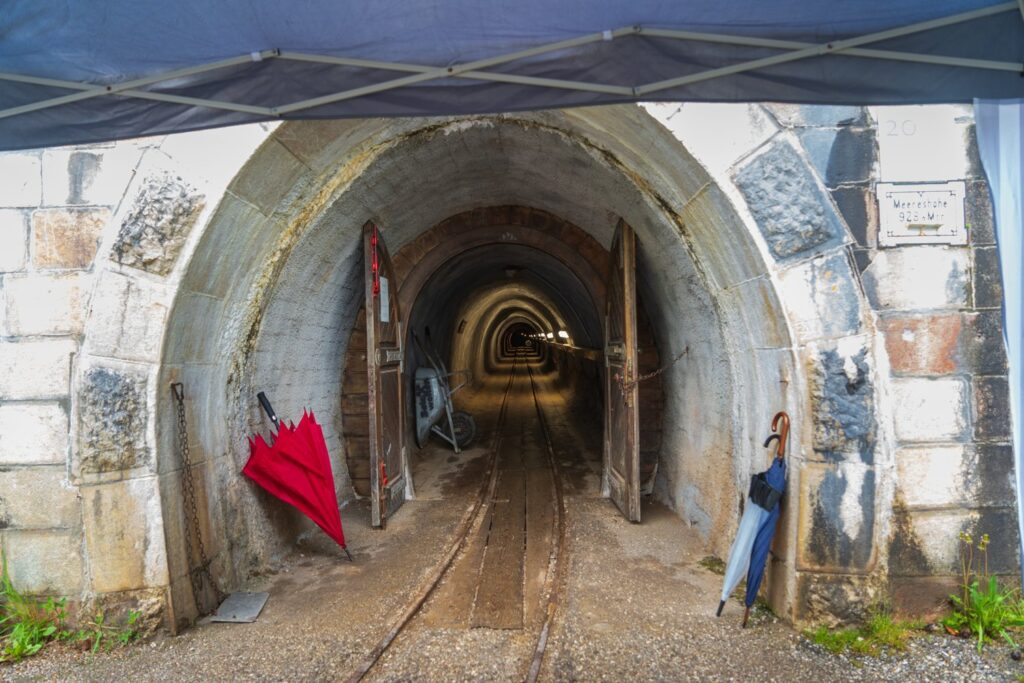
Along the way, you’ll hear about the “Man in Salt,” a prehistoric miner whose body was found preserved in the salt in 1734. You’ll also see a wooden staircase dated to 1344 BC, considered the oldest preserved wooden staircase in Europe. Kids love the slides and the small mine train, which makes this one of the best outdoor activities for families on a rainy or bad weather day. The guided tour, the funicular and the Skywalk together take about three hours.
Step into the Hallstatt Museum
The World Heritage Museum, or Hallstatt Museum, sits just off the square. It tells the story of Hallstatt’s economy, from Bronze Age salt miners to the Habsburg salt administration, with finds from the prehistoric cemetery. It’s a good stop if the weather turns, and it helps you understand the rich history behind the pretty facades.
Get out on Lake Hallstatt
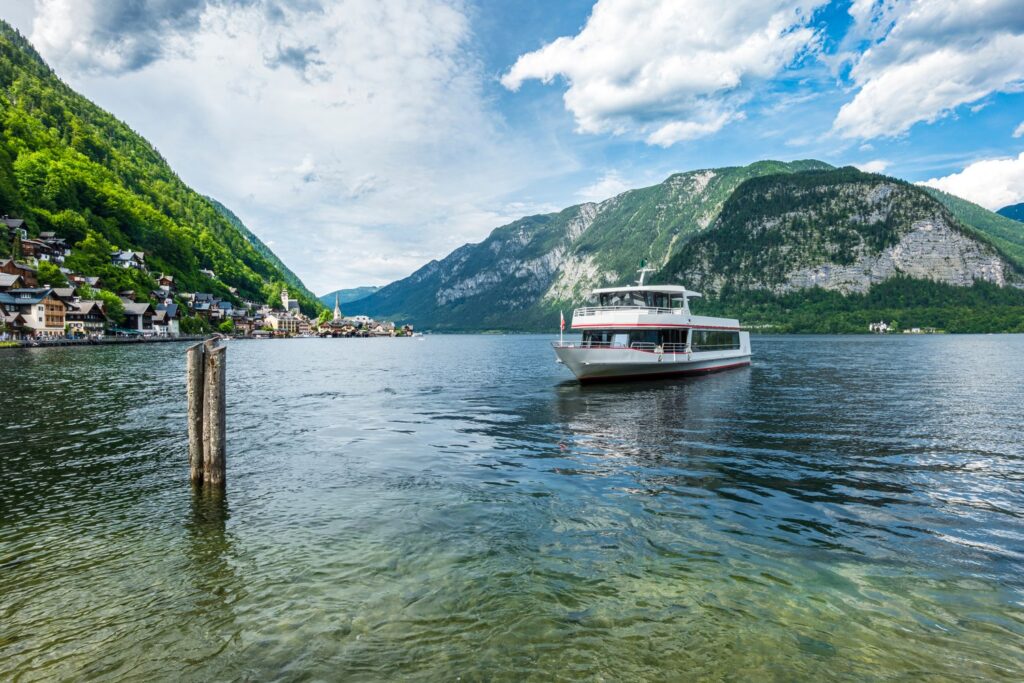
The best way to see the village is from the water. In the warmer months, you can rent an electric boat or a pedal boat near the center and drift out onto Lake Hallstatt. Short boat trips also run along the shore. If you arrive by train, the ferry ride from Hallstatt station is already a mini cruise, with the whole village slowly coming into view.
A one-day Hallstatt itinerary
Here’s how to spend one day in Hallstatt without fighting the crowds:
- Early morning: Arrive before 9 a.m. Walk the lakeside, take the postcard photo and enjoy the market square while it’s quiet.
- Late morning: Visit the Catholic church and the Bone House, then ride the funicular to the Skywalk and join a salt mine tour while the village fills up.
- Lunch: Eat at the Rudolfsturm or back in the village. Many lakeside restaurants serve char and whitefish from the lake. The Bräugasthof is known for fresh fish, and Seehotel Grüner Baum has tables right by the water. Tables are limited, so reserve in high season.
- Afternoon: See the Hallstatt Museum, rent a boat or walk south toward the quieter Lahn area. Stay for the late-afternoon light before you head back.
Is four hours enough? It’s enough for the village, the churches and the viewpoints. It isn’t enough if you also want the salt mine and the Skywalk. We recommend spending at least six hours, or staying overnight. Once the last tour bus leaves, Hallstatt turns back into a sleepy lakeside village.
Hallstatt from Salzburg - how to get there
A day trip to Hallstatt from Salzburg is the easiest option, because the two are only about 45 miles (73 km) apart. Salzburg is also the closest city with an airport, so many travelers base themselves there and visit Hallstatt in a day.
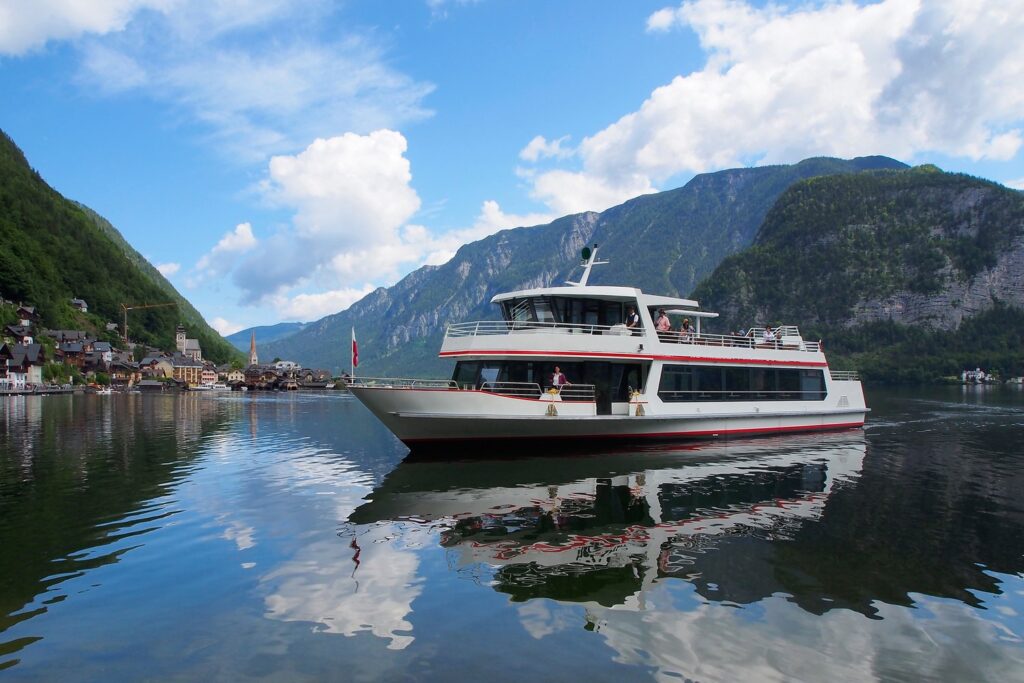
By bus and train. Take bus 150 from Salzburg to Bad Ischl, then a regional bus to Hallstatt. The bus ride takes around two hours and ends at the bus terminal in Lahn, inside the village. Alternatively, take a train with Austrian Federal Railways (ÖBB) via Attnang-Puchheim to Hallstatt station. The Hallstatt station is on the opposite side of the lake, and a small ferry timed with the trains takes you across in about 10 to 15 minutes. You can compare connections and book train tickets online.
By car. The drive takes about an hour and 15 minutes through the Salzkammergut region, past Lake Wolfgang and Bad Ischl. The historic center is closed to private cars, so you’ll park at the parking lot P1 or P2 at the edge of the village and walk in. The lots fill up early in summer and around Christmas. A rental car also lets you add Gosausee or Bad Ischl on the way back.
With a tour. Half-day tours from Salzburg take care of the logistics and drive through the lake district with a guide. It’s a good option if you’d rather not deal with transfers in winter weather conditions.
Hallstatt from Vienna - is it worth the trip?
Yes, but it’s a long day. Hallstatt from Vienna is about 180 miles (290 km) away. By train, the journey takes around four hours each way, with a change in Attnang-Puchheim and the ferry at the end. Driving takes about three and a half hours, depending on traffic and weather conditions.
That’s why most visitors from Vienna join an organized day trip. Coaches leave early in the morning, stop at a lake or a viewpoint along the way and give you several hours in Hallstatt. Some tours add a ride up to the Skywalk or a short visit to Salzburg. If you’d rather travel on your own, consider splitting the trip: spend a night in Hallstatt or Salzburg and continue from there. Back in Vienna, save a day for the city’s museums, starting with the Kunsthistorisches Museum.
Hallstatt in winter and the Christmas season
Hallstatt in winter is quieter and, many say, even prettier. Snow settles on the roofs, smoke rises from the chimneys and mist hangs over the water. Temperatures often stay around or below freezing, about 28-36°F (-2 to 2°C), so pack warm layers and shoes with a good grip for icy stairs. Days are short, and the sun disappears behind the mountains early in the afternoon.
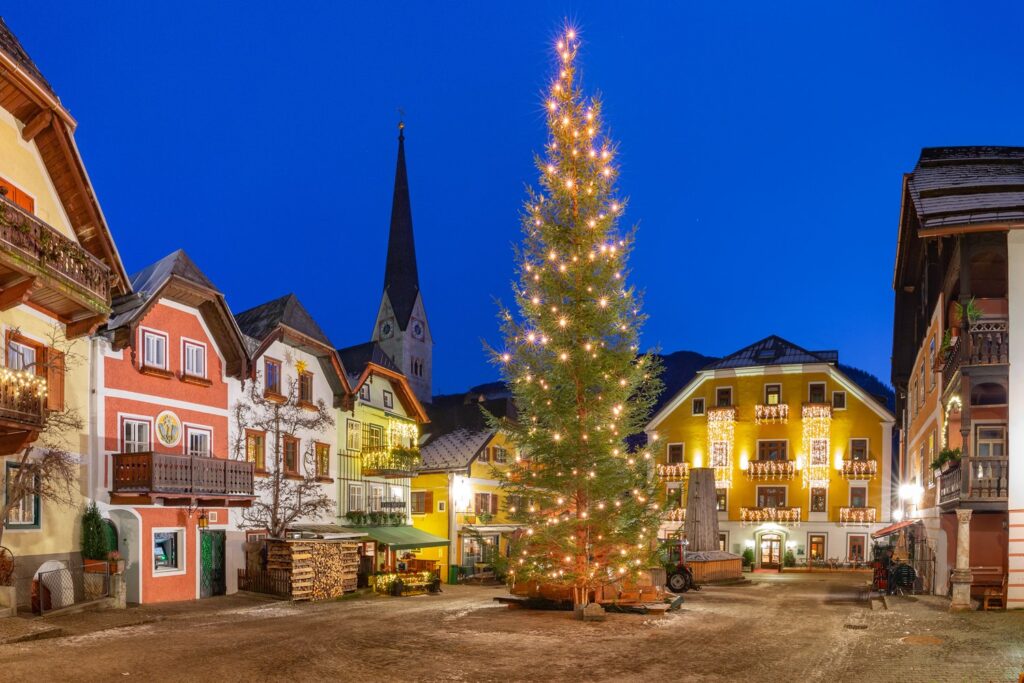
Visiting in November, February or March gives you fewer crowds than summer. If you prefer mild weather, late September and early October are a great compromise. The weeks before Christmas are a different story. Advent brings a special Christmas spirit to the Salzkammergut region, with Krampus runs in early December, candlelit lanes and a small Christmas market on the market square, traditionally held around December 8. Dates and programs change from year to year, so check the local event calendar before you plan your trip around a specific day. Christmas markets in Salzburg run through the whole Advent season, so you can easily combine both.
Some attractions change their schedule in winter. The funicular runs with shorter hours and pauses for maintenance in January. The Dachstein ice caves near Obertraun close for the cold season and reopen in spring. Boat rentals also take a winter break, while the ferry from the train station keeps running.
Beyond the village - easy add-ons
If you have a car or an extra day, the area around Lake Hallstatt is full of spectacular views. On the Krippenstein above Obertraun, the Five Fingers viewing platform stretches over a sheer drop with the lake far below. In summer and fall, the nearby Dachstein Giant Ice Cave leads you through frozen halls inside the mountain. Check the cable car schedule before you go, because it pauses between the summer and ski seasons.
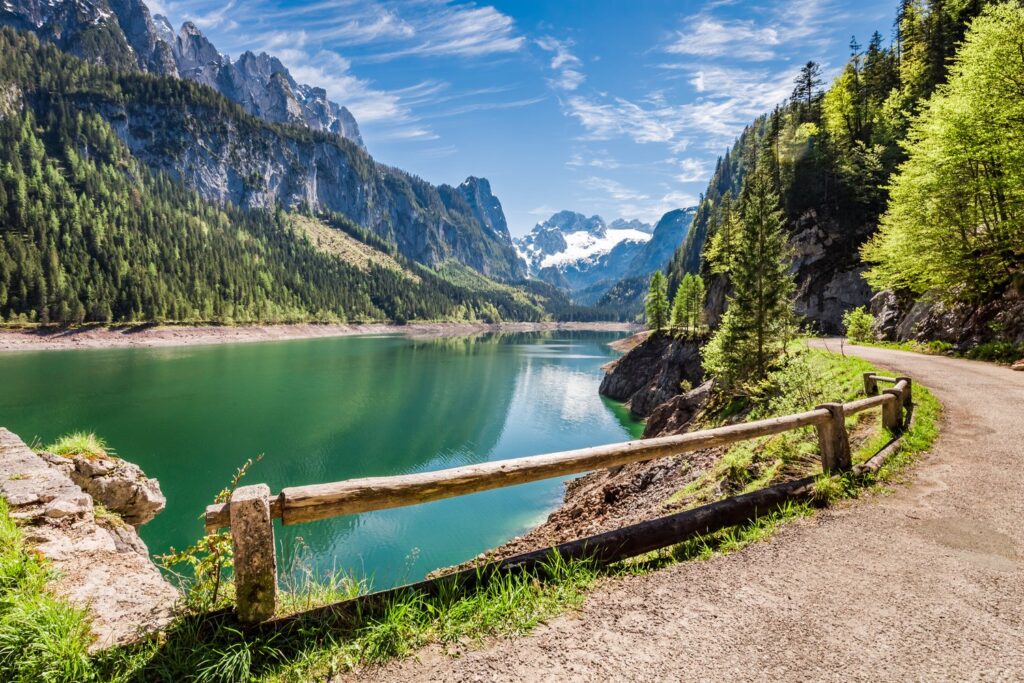
Half an hour away by car, Gosausee mirrors the Dachstein glacier in its water, and an easy trail loops around the lake. On the way back to Salzburg, stop in Bad Ischl, the elegant spa town where Emperor Franz Joseph spent his summers. Nature lovers will find hiking trails, steep hillsides and quiet valleys all around, just a few minutes from the crowds.
Should you stay overnight?
If you can, stay overnight. Evenings and early mornings are when Hallstatt is at its best: the tour buses arrive later, the lake is calm and you’ll hear little more than church bells. Rooms in the village are limited, so book well in advance, especially for summer weekends and Advent.
See available places to stay in Hallstatt
Hotels in Hallstatt
Hallstatt has only a handful of hotels, guesthouses and apartments, and the best ones sit right on the lake. Here are three options for different budgets.
💰 Pension Hirlatz
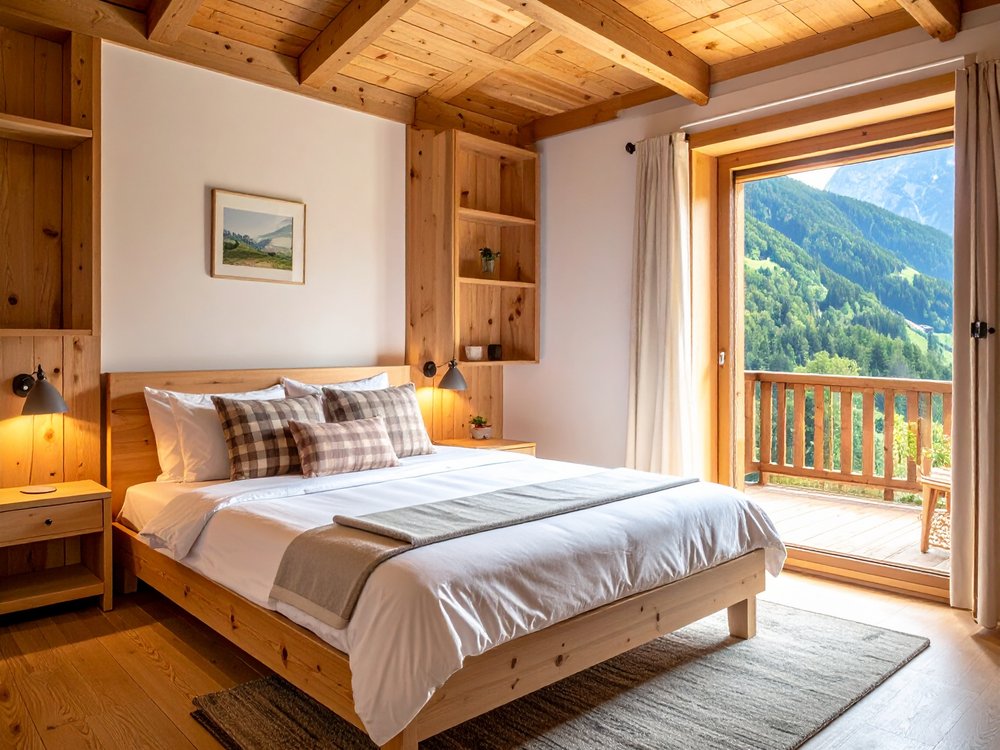
This traditional guesthouse sits in the Echern valley, about a 20-minute walk from the center of Hallstatt. Rooms are furnished in a classic Alpine style, with private bathrooms and cable TV. After a day of walking, you can warm up in the Finnish log sauna or the infrared cabin. Free private parking and hiking trails right outside the door make it a smart base for travelers with a car and a tighter budget.
🏨 Seewirt Zauner
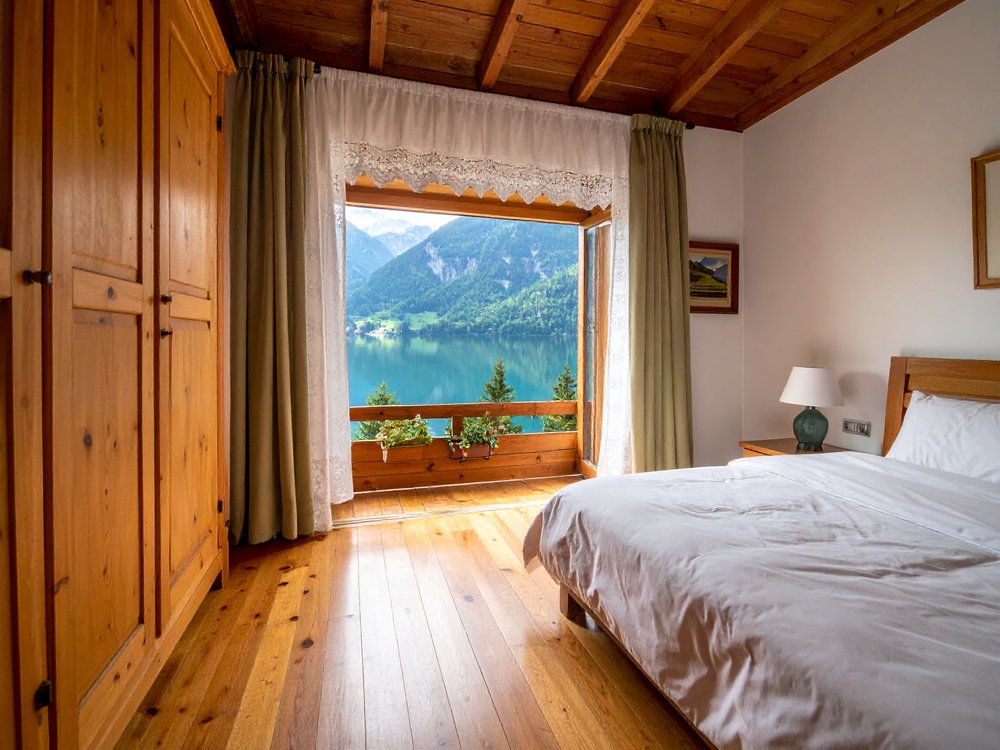
Family-run for 150 years, this small hotel stands right on the historic market square in the car-free center, a few steps from the lake. Its renovated rooms have lake or mountain views and mix traditional charm with modern comfort. All rooms can be reached by elevator, and check-in is contactless. It’s ideal if you want to step out of the door straight into the village before the day visitors arrive.
💎 Heritage Hotel Hallstatt
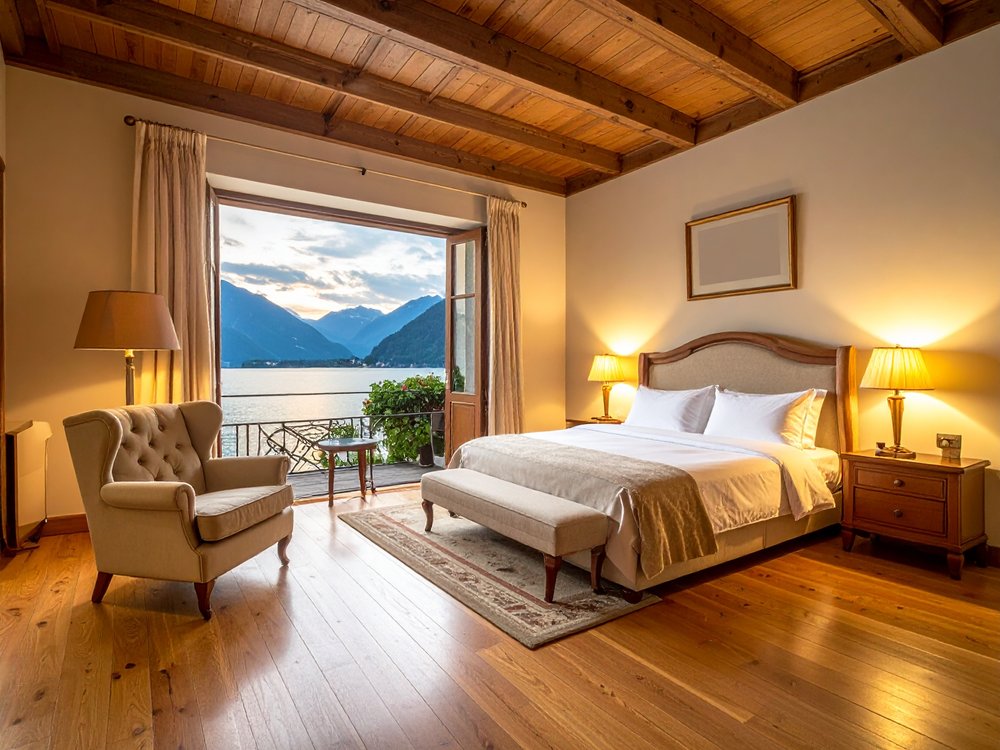
Spread across three carefully renovated historic buildings in the car-free center, this is the most upscale stay in the village. Every room and suite looks out over the town or the lake. There’s a sunny lakeside terrace, a bar and a café with a winter garden next to the boat landing. The Seeauer restaurant serves traditional Austrian dishes with fine wines, a perfect end to a romantic weekend.
Hallstatt FAQ
Is Hallstatt worth visiting in winter?
Yes. Winter brings snowy rooftops, misty mornings and far fewer visitors than summer, except in the weeks around Christmas. Some attractions run shorter hours, and the Dachstein ice caves are closed, but the village, the churches and the Skywalk views are still there to enjoy. Dress warmly and wear shoes with a good grip.
Can you take a train to Hallstatt, Austria?
Yes. Trains from Salzburg and Vienna reach Hallstatt station with a change in Attnang-Puchheim. The station is on the opposite side of the lake, so you finish the trip with a short ferry ride that is timed with the trains. From Salzburg, the bus via Bad Ischl is often faster.
Which airport should I fly into to get to Hallstatt?
Salzburg Airport is the closest, about an hour and a half away by car. Vienna and Munich have many more international flights, including from the US, but both are around three hours’ drive from Hallstatt. Many travelers fly into Vienna or Munich and visit Salzburg and Hallstatt as part of a longer Austria trip.
Is Hallstatt a tourist trap?
Not really, but it can feel like one at midday in summer. The village is authentic, with a history going back thousands of years, and people still live and work here. The trick is timing: come early, stay late or spend the night. Away from the main street and the photo spot, it’s still a quaint village.
Which is better to visit, Salzburg or Hallstatt?
They’re different trips. Salzburg is a baroque city with Mozart, palaces and a lively old town, while Hallstatt is a tiny lakeside village best enjoyed slowly. Most visitors don’t have to choose: stay in Salzburg for two or three nights and take a day trip to Hallstatt.
What movie was filmed in Hallstatt?
No major Hollywood movie was filmed here. Many people believe the village inspired Arendelle in Disney’s “Frozen,” but Disney never confirmed it, and the film’s look is based mainly on Norway. Hallstatt has, however, appeared in countless TV travel shows and commercials.

