For decades, a US passport was all you needed for a European vacation. A short online form is set to change that, and scammers are already cashing in on the confusion.
ETIAS for Americans is the new travel authorization that US citizens will need before visiting most European countries. It’s not a visa, it’s not required yet, and it takes most people only a few minutes to apply. Still, the headlines, delays and look-alike websites make it easy to get confused. In this article you’ll find everything you need to know: what ETIAS is, the current ETIAS start date, how much it costs, which countries require it and how the ETIAS application will work once it opens.
What is ETIAS?
ETIAS stands for the European Travel Information and Authorisation System. It’s an electronic travel authorisation for visa-exempt nationals, meaning citizens of countries who can visit the Schengen Area without a visa, including the United States, Canada, the UK and Australia. The European Union created it to improve border security by screening travelers before they arrive, much like the US ESTA for European visitors.

Many people call it the ETIAS visa, but the important point for US travelers is that ETIAS is not a visa. It works as a visa waiver check. You won’t need to visit a consulate, book an interview or send your passport anywhere. You fill out an online application form, pay the ETIAS fee and usually get an answer within minutes. The ETIAS travel authorisation is linked to your passport and lets you make as many trips as you like during its validity period.
ETIAS start date - is it required now?
No, Americans don’t need ETIAS yet. The ETIAS start date has been pushed back many times since the system was first planned for 2021. The most recent target was the last quarter of 2026, but in September 2026 the EU confirmed that ETIAS would not launch in 2026. The working date is now 2027, with no exact day announced.
The European Commission has said it will publish the official start date several months before launch. When ETIAS goes live, there will be a transition period of several months during which the authorization is recommended but not yet mandatory, followed by a grace period when travelers entering for the first time after the transition can still be let in without one. Until then, nothing changes: you can travel with your valid US passport as before.
The delay is linked to the Entry/Exit System (EES), a separate border system that registers non-EU nationals with fingerprints and a facial image. EES has been fully operational since April 10, 2026, and ETIAS can only follow once EES is running smoothly.
ETIAS vs EES - what’s the difference?
The two systems are often mixed up, but they work at different stages of your trip:
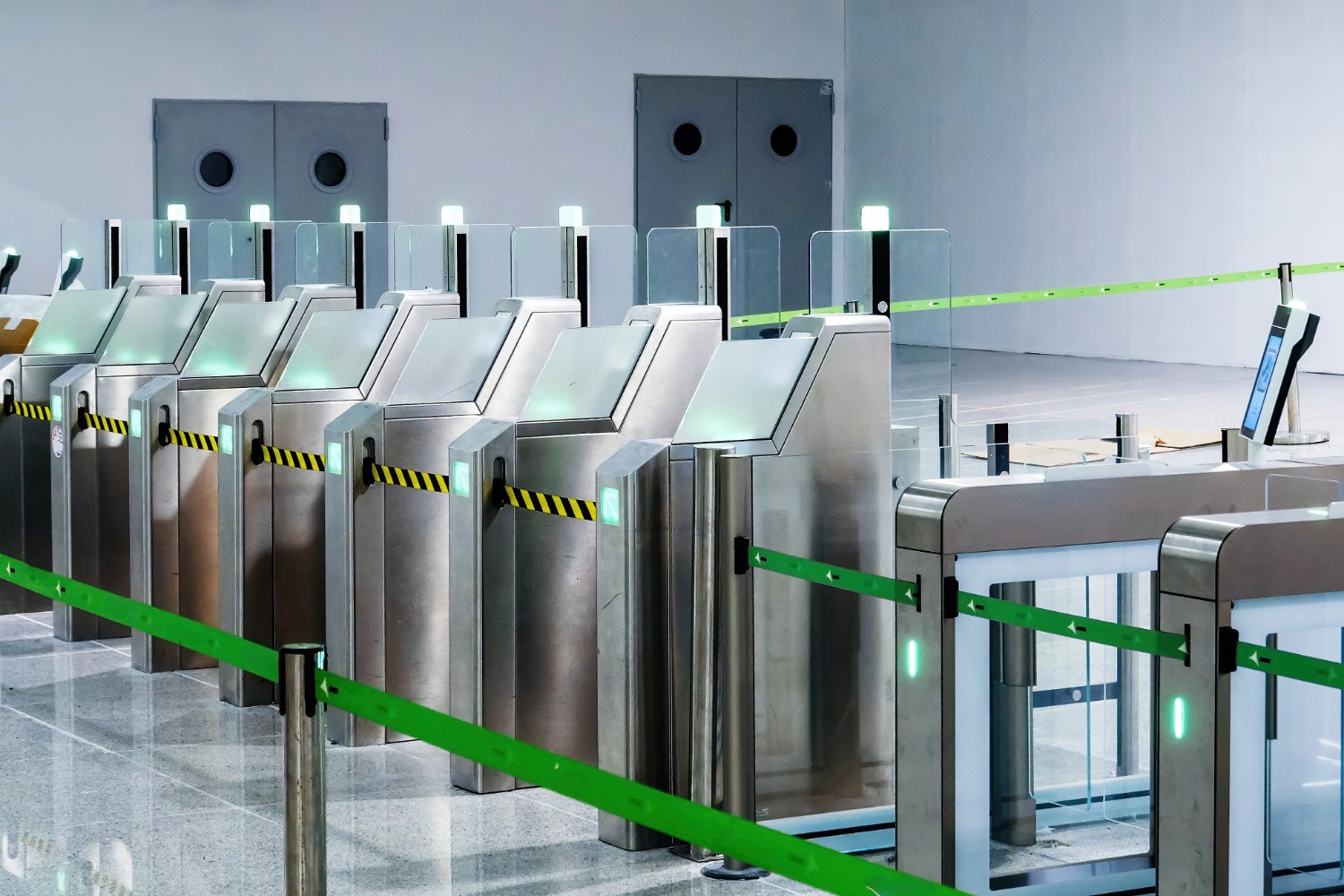
- ETIAS is a pre-travel authorization. You’ll apply online before your trip, and airlines will check it before you board.
- EES is a digital record of your entries and exits. Registration happens at the border itself, with no application in advance. EES replaced passport stamps and tracks your 90-day limit automatically.
Once ETIAS launches, Americans will need both: an approved ETIAS before departure and EES registration at border control on arrival. Neither one changes how long you can stay.
Which European countries require ETIAS?
ETIAS will be required for 30 European countries. These are the 29 Schengen member countries plus Cyprus:
Austria, Belgium, Bulgaria, Croatia, Cyprus, Czechia, Denmark, Estonia, Finland, France, Germany, Greece, Hungary, Iceland, Italy, Latvia, Liechtenstein, Lithuania, Luxembourg, Malta, the Netherlands, Norway, Poland, Portugal, Romania, Slovakia, Slovenia, Spain, Sweden and Switzerland.
A few other European countries are not on the list. Ireland has its own border rules and won’t use ETIAS. The United Kingdom isn’t in the EU or the Schengen Area, and it already requires Americans to get a separate UK Electronic Travel Authorisation (ETA). Microstates like Monaco, San Marino and Vatican City have no border controls of their own, so in practice you’ll reach them through an ETIAS country such as France or Italy.
How long can you stay with ETIAS?
ETIAS doesn’t change the existing rule for visa-free travelers. You can stay in the Schengen Area for up to 90 days in any 180-day period, whether on one trip or several. The days add up across all Schengen countries, so a week in France and a week in Italy count as 14 days toward your limit. Cyprus isn’t in Schengen yet and counts its 90 days separately.
The ETIAS travel authorisation itself is valid for up to three years or until your passport expires, whichever comes first. If you get a new passport, you’ll need a new ETIAS. For longer stays, such as studying, working or living in Europe, you’ll still need a national visa from the country in question.
How much does ETIAS cost?
The ETIAS fee is €20 per person, after the EU raised it from the originally planned €7. Travelers under 18 and over 70 won’t have to pay the application fee, but they still need their own authorization. You’ll pay the fee online with a credit or debit card at the end of the application process.
That single payment covers the whole validity period, so frequent travelers pay it only once for many trips.
How to apply for ETIAS
When the system opens, you’ll apply online, either on the official ETIAS website or through the EU’s official ETIAS mobile application. The process should take about 10 minutes. Here’s what to expect:
- Personal details: name, date and place of birth, nationality, address, email and phone number.
- Passport details: your passport number, issue date and expiration date. Use the passport you’ll travel with.
- Background questions: education and current job, your first planned country of entry, and security questions about criminal convictions, past travel to conflict zones and previous refusals of entry.
- Payment: the ETIAS fee by card, if you’re between 18 and 70.
After you submit the form, you’ll receive an email with a unique ETIAS application number. Keep it for future reference. Most applications will be approved within minutes. Some may take up to four days, and if national authorities ask for more information or an interview, a decision can take up to 30 days. Apply at least a few weeks before your trip to be safe.
Can someone apply on your behalf?
Yes. A parent or legal guardian applies for children, and a family member or travel agent can fill out the form for you. You’ll still be responsible for making sure the information is correct.
ETIAS requirements for US travelers
To get ETIAS, you’ll need a few basic things:
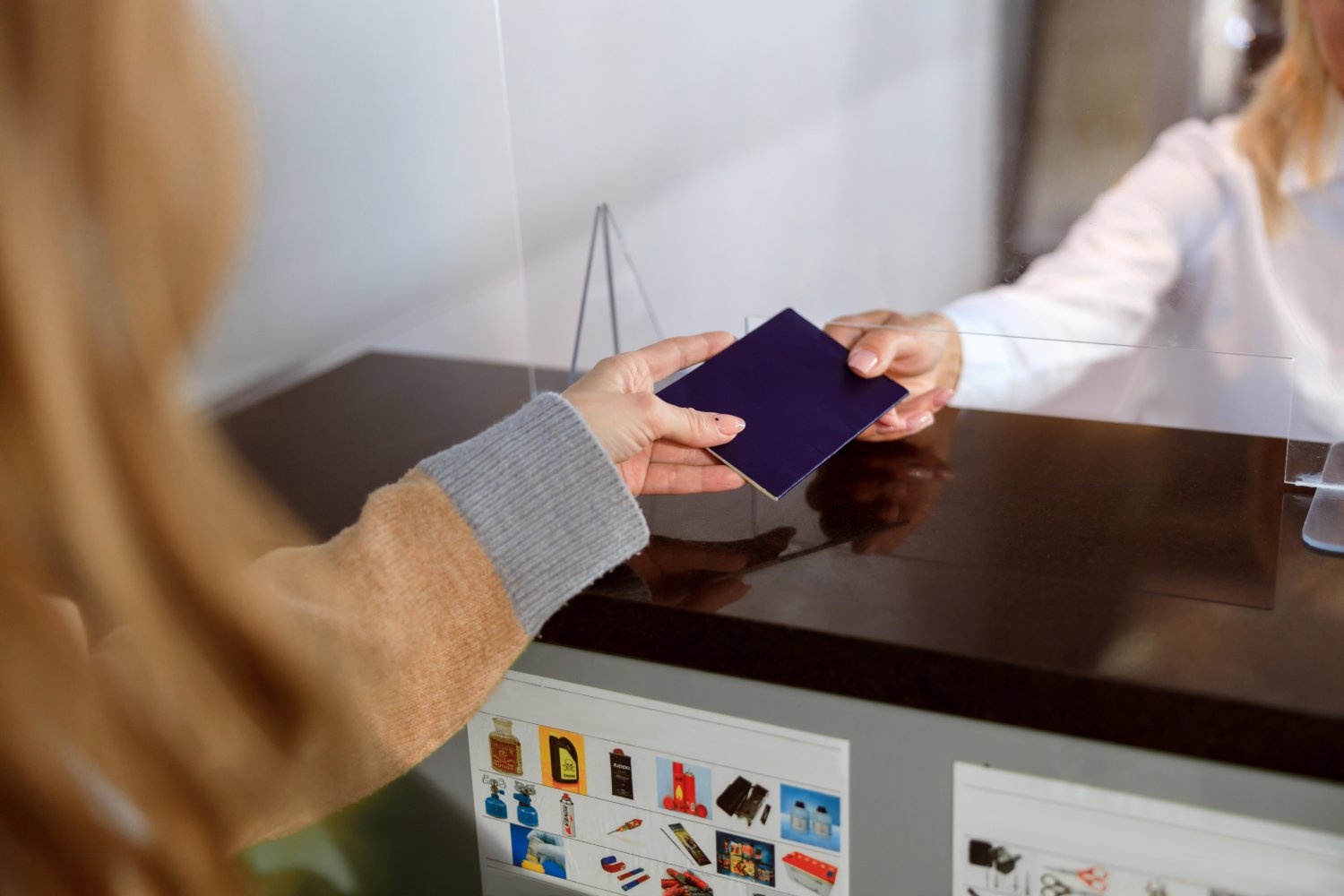
- A US passport that’s valid for at least three months after your intended departure from Europe and was issued within the last 10 years.
- An email address to receive the decision.
- A credit or debit card to pay the fee.
Keep in mind that an approved ETIAS doesn’t guarantee entry. Border guards will still check that you meet the entry conditions. They may ask about the purpose of your trip, where you’re staying and whether you have enough money for your entire stay. Travelers who don’t meet these conditions can be refused entry, just as they could before.
FUN FACT: ETIAS was approved back in 2018, which makes it one of the most delayed travel systems in recent memory - it’s now running about six years behind its original 2021 launch.
How to avoid ETIAS scams
Because ETIAS isn’t open yet, any website that offers to “process” or “pre-register” your ETIAS today is not official. Many of these sites look like government pages, show up high in search results and charge several times the real fee. Some just collect your passport details.
A few simple rules will protect you:
- Only use the official European Union website, which ends in europa.eu, or the official app once the system launches.
- Don’t pay anyone for an ETIAS application before the EU announces the start date.
- Be suspicious of any site that promises “guaranteed approval” or “express processing.”
- Get all the latest news from the European Commission’s Directorate-General for Migration and Home Affairs, or from the US State Department, rather than third-party sites.
What ETIAS means for your Europe trip
For now, planning a trip to Europe works exactly as before. You need a valid passport, and you’ll go through EES registration at the border. Once ETIAS launches, add one step to your checklist: apply online a few weeks before your trip and save the approval email.
If you’re planning your first European vacation, our guide on how to plan a trip to Europe from the US covers the full process, from budget and destinations to travel documents. Once your dates are set, it’s a good idea to book accommodations with free cancellation, so a change of plans won’t cost you.
ETIAS FAQ
Do US citizens need ETIAS to travel to Europe now?
No. ETIAS isn’t required yet, and the EU has confirmed it won’t launch in 2026. US citizens can travel to Europe with a valid passport as before. The EU will announce the official start date several months in advance.
Is ETIAS a visa?
No, ETIAS is a travel authorization, not a visa. It’s a short online form for visa-free travelers, similar to the US ESTA. There’s no consulate visit, interviews are rare, and most applications will be approved within minutes.
How long is ETIAS valid?
An approved ETIAS is valid for up to three years or until your passport expires, whichever comes first. During that time you can make multiple trips, as long as you stay within the 90 days in any 180-day period.
Do children need ETIAS?
Yes, every traveler needs their own ETIAS, including children. Parents or legal guardians fill out the application for minors. Travelers under 18 don’t pay the fee.
Do I need ETIAS for the UK or Ireland?
No. ETIAS doesn’t apply to the UK or Ireland. The UK has its own Electronic Travel Authorisation (ETA), which Americans already need, while Ireland currently has no pre-travel authorization for US citizens.

