The same Roman piazza can be a sweaty, shoulder-to-shoulder crush in August and a quiet, golden-lit dream in October. Your calendar decides which one you get.
The best time to visit Europe for most travelers is the shoulder season: late April to early June and September to October. You get pleasant weather, far fewer crowds than in peak summer and noticeably lower prices on flights and hotels. That said, there’s no single right answer. The best time to go to Europe depends on where you’re heading, what you want to do and how much you want to spend. In this article you’ll find a season-by-season and month-by-month breakdown, the best months for each region and practical tips on when to find cheap flights from the US.
When is the best time to visit Europe? The quick answer
If you want one recommendation, aim for May, June or September. These months offer the best balance of long days, warm weather without the intense heat, and manageable crowds. Here’s how the year breaks down:
- Best weather overall: late May to June and September.
- Fewer crowds and better prices: April, October and early November.
- Beach time in Southern Europe: June to September.
- Cheapest time to go to Europe: January to early March and November (except Thanksgiving week).
- Christmas markets: late November to late December.
- Northern lights: September to March. Winter sports: December to March.
If you’re still in the early stages of planning and haven’t picked your cities yet, start with our guide on how to plan a trip to Europe from the US, then come back here to lock in your travel dates.
Europe by season - what to expect
Spring (March to May)
Spring is one of the most underrated times to visit Europe. Early spring can still be chilly and wet, especially in the north, but by late April and May most of the continent warms up. Parks and gardens burst into bloom, outdoor café terraces reopen and you’ll enjoy lower prices than in summer.
The Netherlands is at its best during tulip season, roughly from late March to mid-May, when the fields around Lisse and the Keukenhof gardens turn into stripes of color. In Southern Europe, late spring is ideal for sightseeing in cities like Rome, Seville or Athens before the summer heat arrives. Keep an eye on Easter, though. Holy Week brings processions and festivals, but it’s also a major vacation week for Europeans, which pushes up prices for a week or two.
Summer (June to August)
Summer is peak season. Days are long, the weather is reliable and everything is open, from mountain cable cars to island ferries. This is the season for beach time on the Greek islands, Croatian coves or the French Riviera, and for hiking in the Alps.
The downside is obvious: peak crowds, long lines at major sights and the highest prices of the year. School holidays across Europe start in July, and August is when many Europeans take their own vacation. In Southern Europe, peak summer can bring intense heat, with temperatures above 95°F (35°C) in cities like Seville, Florence or Athens. Plan sightseeing for early morning and evening, and save the middle of the day for a long lunch or a siesta.
Early summer, especially the first half of June, is a sweet spot. It feels like summer, but the big wave of European families hasn’t hit the beaches yet.
Fall (September to November)
Early fall is many travelers’ favorite season, and for good reason. September still feels like summer in the south, the sea is at its warmest and the summer crowds thin out quickly once schools restart. Early October brings golden light, harvest festivals and wine regions in full swing, from Tuscany and Burgundy to the Douro Valley in Portugal.
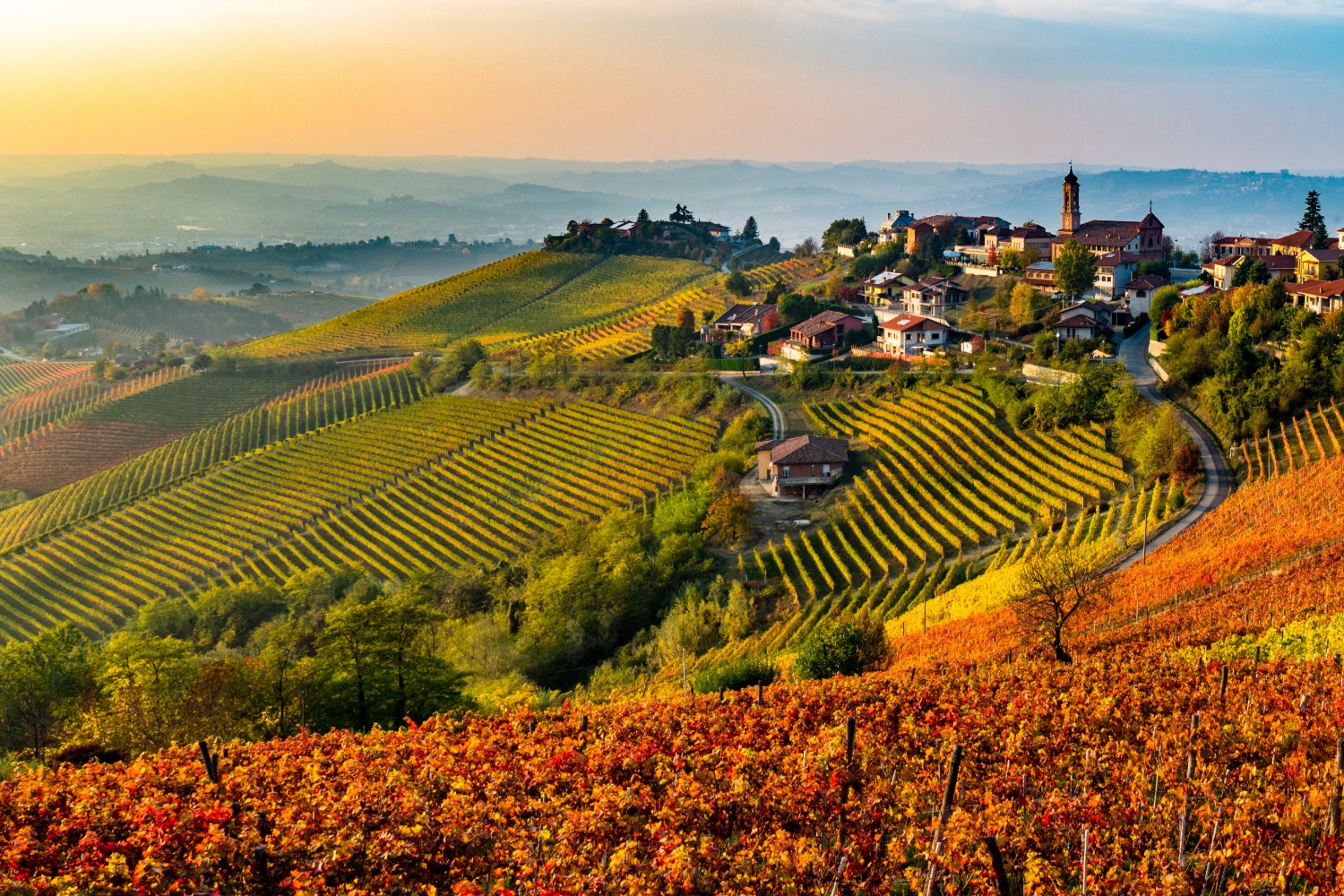
By late fall, the weather turns cooler and rainier, especially in Northern and Central Europe. Early November is quiet and affordable, a good time for city breaks to places with lots of museums and indoor attractions. Some seasonal hotels and restaurants on islands and coasts close for the winter months.
Winter (December to February)
Winter is the low season for most of Europe, apart from ski resorts and the Christmas period. Days are short and cold in the north, but cities feel more local and prices drop. It’s the best time for a cozy trip to Vienna, Prague or Paris, when museums are quieter and lines are short.
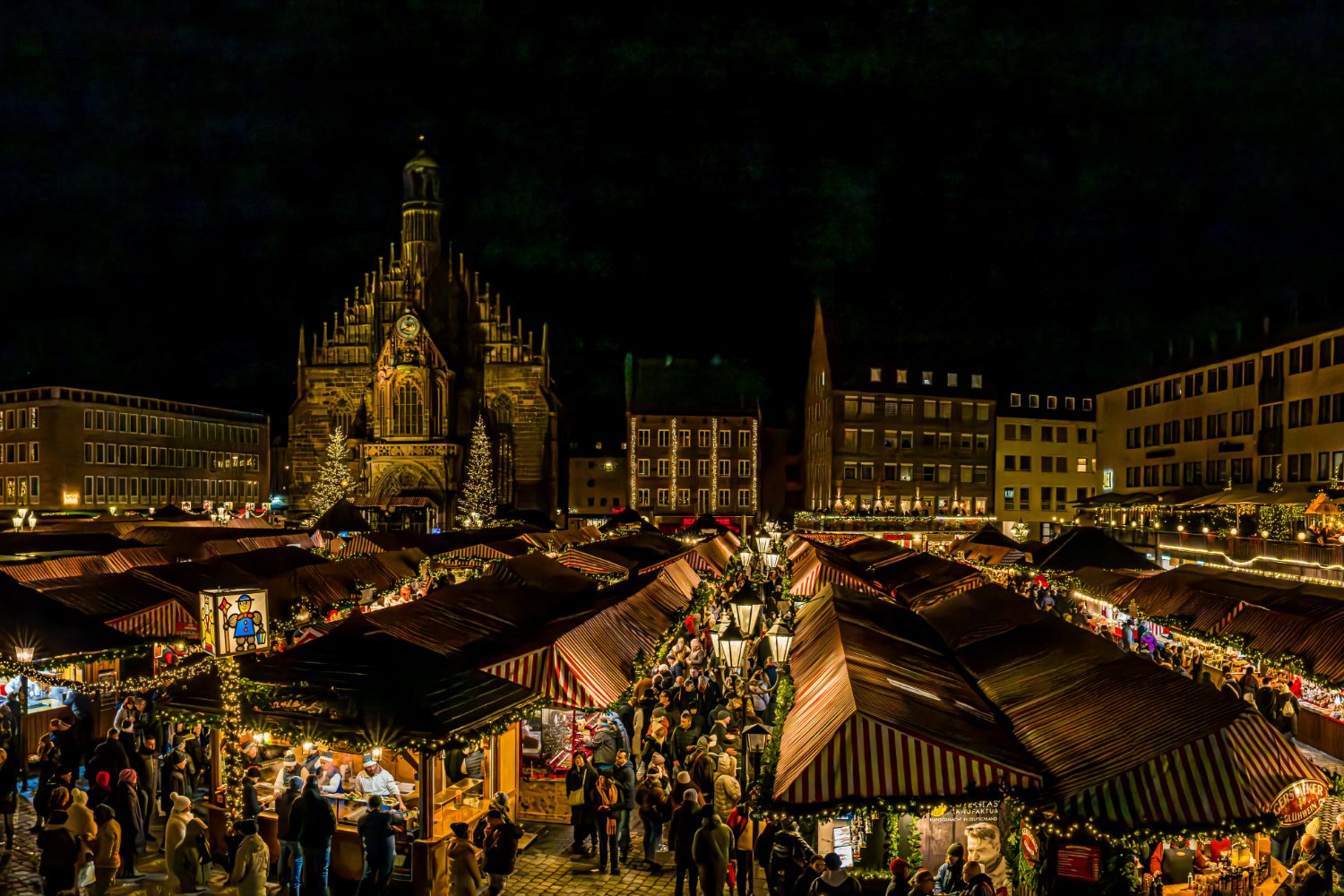
December is all about the Christmas markets. Germany, Austria, Alsace and Czechia are famous for them, with markets in towns like Colmar looking straight out of a fairy tale. Winter is also the season for winter sports in the Alps and for chasing the northern lights in Lapland, Norway and Iceland. If you want mild winter sun, head south to Portugal, southern Spain, Malta or the Canary Islands.
Month-by-month guide to Europe
Use this quick guide to see what each month offers. It’s a general picture, so always check the details for your final destination.
January and February
These are the quietest and often the cheapest months to visit Europe. Expect cold weather in the north and center, and mild days in the far south. Skiing in the Alps, northern lights in the Arctic and crowd-free museums are the main draws. The Venice Carnival usually takes place in February, sometimes starting in late January.
March
Early spring arrives in the south, while the north is still gray. Prices stay low, and it’s a good month for city breaks in Spain, Portugal and Italy. Ski resorts often have great snow and fewer skiers.
April
Early April is still unpredictable, but late April is one of the best months of the year. Tulip season peaks in the Netherlands, and gardens across Europe are in bloom. Watch out for Easter dates, since prices rise around the holiday.
May
May is close to perfect. It’s warm, green and not yet crowded, with long days for sightseeing. Late spring is ideal for Italy, Greece, Spain and Portugal, and for Paris and London too.
June
Summer starts, and so do longer lines. Early June is still relatively calm. Late June brings midsummer festivals in Scandinavia and lavender season in Provence, which usually runs from mid-June to late July and peaks in early July. See our guide to the Provence lavender fields for the best spots.
July and August
Peak season in every sense. Expect the hottest weather, the highest prices and the busiest beaches. Northern Europe, Scotland, Iceland and the Alps are great choices if you want to avoid the heat. Late August is often a little calmer, though many family-run businesses in France and Italy close for two or three weeks around mid-August.
September
For many travelers, this is the best overall month. The weather is still warm, the sea is perfect for swimming and the crowds start to fade. Oktoberfest in Munich starts in mid- to late September and runs into early October.
October
Fall colors, wine harvests and pleasant temperatures in the south make October a great month for Southern Europe and wine regions. In the north, it gets cool and rainy, but still fine for city breaks.
November
One of the cheapest months of the year. It’s a good time for museum-heavy city breaks and for winter sun in Portugal or southern Spain. Christmas markets open in the last week or two of the month.
December
Christmas markets, festive lights and cozy cafés define December. Prices rise around Christmas and New Year, but early December is still affordable. The ski season starts in the Alps.
Best time to visit by region
Europe stretches from the Arctic Circle to the Mediterranean, so the best time to visit depends on where you’re going. Here’s a quick breakdown.
Southern Europe (Italy, Spain, Portugal, Greece, Croatia)
The best months are April to June and September to October. Summer is perfect for the beach but hot and crowded in the cities. Island life on Mykonos, Corfu or the Croatian coast runs mostly from May to October. If you’re visiting the Acropolis in Athens in summer, go right at opening time to avoid the worst heat and crowds.
Western Europe (France, UK, Ireland, Benelux)
Late spring to early fall is the most pleasant time. London, Paris and Amsterdam are European cities that work well for year-round city breaks, but you’ll get the best weather from May to September. Ireland and the UK are mild but rainy, so pack layers in any season.
Central Europe (Germany, Austria, Switzerland, Czechia, Hungary)
May to September is ideal for hiking, lakes and mountain villages like Hallstatt. December is magical for Christmas markets, and January to March is the best time for skiing.
Northern Europe and Iceland (Scandinavia, Finland, Iceland)
June to August brings the midnight sun and the warmest weather, which is the best time for road trips and hiking. For the northern lights, go between September and March. Our guide to the northern lights in Finland explains where and when to see them, and Rovaniemi is a classic December base. In Iceland, the Golden Circle is doable all year, but winter days are very short.
Best time to visit Europe for fewer crowds
If crowds bother you more than weather, the shoulder season and the low season are your best bet. Late April, May, late September and October give you good weather with far fewer crowds. November and January to March are the quietest, off-peak months, with fewer tourists, though some attractions have shorter hours.

Even in peak season, you can avoid the worst of it:
- Visit major sights right at opening time or in the late afternoon.
- Stay overnight in popular day-trip towns, so you can explore before and after the tour groups.
- Choose lesser-known cities near the famous ones, like Bologna instead of Florence or Ghent instead of Bruges.
- Avoid major holidays such as Easter, the August vacation weeks and Christmas.
FUN FACT: Around August 15, Italy’s Ferragosto holiday, so many Italians head to the coast that parts of Rome and Milan feel almost deserted.
Cheapest time to go to Europe from the USA
The cheapest time to go to Europe is the low season: January, February, early March and November, apart from Thanksgiving week and the Christmas holidays. Flights and hotels can cost far less than in June or July, and you’ll find good deals on international flights to major hubs.
Late fall and winter aren’t just cheap, they’re also great for city breaks in big cities focused on culture and food. If you want lower prices with decent weather, the shoulder season is the middle ground: early April and late October often have good fares and mild weather in the south.
How to find cheap flights to Europe
Timing your Europe flights matters as much as choosing your month. A few habits make a big difference:
- Book early for summer, ideally three to six months ahead. For the low season, two to three months is usually enough.
- Use Google Flights with flexible dates and set price alerts for your route.
- Fly midweek, since Tuesdays and Wednesdays are often cheaper than weekends.
- Compare big hubs like London Heathrow, Paris, Amsterdam, Dublin and Lisbon, then take a short connection to your final destination.
- Book round-trip flights on the same airline or alliance, which is often cheaper than two one-way tickets on transatlantic routes.
- Watch for flight deals from airlines that offer stopovers, such as in Iceland or Portugal, so you can add a city at no extra airfare.
Travelers from the West Coast usually pay more and fly longer than those from the East Coast, so flexible dates matter even more. If you’re considering premium economy or business class, the low season is when you’ll find the best value on upgrades.
Where to stay and how to book
Hotel prices follow the same calendar as flights. In peak summer and over the Christmas holidays, the best-located rooms in popular cities sell out months ahead. Book your accommodation as soon as your dates are set, and choose options with free cancellation so you can adjust later.
See available places to stay in Europe
In the shoulder season, you’ll often get a much better room for the same price. Train tickets work the same way, so check routes and fares between cities on Omio as soon as your plan is ready. If you’re planning a road trip through wine regions or the countryside, compare car rental early too, since summer rates climb quickly.
Best time to visit Europe FAQ
What is the cheapest month to fly to Europe?
January and February are usually the cheapest months to fly to Europe from the US, followed by early March and November. Avoid Thanksgiving week and the Christmas holidays, when fares jump. Booking two to three months ahead and flying midweek helps you get the lowest prices.
What is the best month to visit Europe?
For most travelers, May and September are the best months. Both offer warm weather, long days and fewer crowds than July or August. June is also excellent, especially early in the month, before school holidays begin.
What is the rainy season in Europe?
There’s no single rainy season, because Europe’s climate varies a lot. The Mediterranean is dry in summer and wetter from November to March. The UK, Ireland and Northern Europe get rain all year, with fall and winter usually the wettest.
When is the best time to visit Europe to avoid crowds?
Late April, May, late September and October give you the best mix of good weather and smaller crowds. For the emptiest sights, go in November or from January to March. Even in summer, visiting major attractions early in the morning makes a big difference.
Is it worth visiting Europe in winter?
Yes, especially if you love cities, museums and festive traditions. Winter brings Christmas markets, skiing, the northern lights and the lowest prices of the year. Just plan for short days and cold weather in the north, or head to Portugal and southern Spain for milder sun.

