Cobblestones, steep stairs and tiny train luggage racks have a way of punishing the overpacker. The good news: you need far less than you think.
A packing list for Europe looks different from one for a beach week in Florida or a road trip across the US. You’ll walk a lot, carry your own bags up stairs and onto trains, and deal with weather that can change from one city to the next. In this article you’ll find a complete Europe packing list for your European adventure: the essentials and documents, clothes for each season, toiletries, tech and a few small items that make a big difference. You’ll also find tips on what to pack for Europe if you’re traveling with just a carry-on, and what you can safely leave at home. Use it as your ultimate packing list for a summer trip, a winter trip or anything in between.
Why packing light matters in Europe
Before you start your Europe packing, think about how you’ll move around. Europe is a continent of trains, old towns and walk-up hotels. Many historic buildings on cobblestone streets have no elevator, train stations can mean long walks, and luggage space on trains is limited. Budget airlines within Europe also charge for checked bags and are strict about carry-on size.
A carry-on suitcase and a personal item are enough for most trips of one to two weeks. If you do laundry along the way, you can travel for a month with the same bag. Packing light also saves you time at the airport and makes it easy to switch cities without stress.
A few rules make a light bag possible:
- Pack for about one week, no matter how long your trip is.
- Choose clothes in two or three colors that all match each other.
- Wear your bulkiest shoes and jacket on the plane.
- Use packing cubes to save space and keep things organized.
- Pack only what you’d wear at home, not a new wardrobe for the trip.
Many travelers find that once they travel lighter, they never go back to big suitcases. You’ll also save room for souvenirs.
Travel documents and money
These are the items you can’t replace easily, so keep them in your personal item, never in a checked bag:
- Passport, valid for at least three months after you leave the Schengen Area. UK trips also need an Electronic Travel Authorisation (ETA), while the EU’s ETIAS isn’t required yet. Check the rules in our guide on how to plan a trip to Europe from the US.
- Printed or digital copies of your passport, flight and hotel bookings.
- A credit card with no foreign transaction fees and a debit card for ATMs.
- A small amount of local cash for the first day.
- Travel insurance details and emergency contacts.
- A money belt or hidden pouch for travel days. Cards are widely accepted, so you won’t need much cash in it.
- A US driver’s license and an International Driving Permit if you plan to rent a car.
Keep a backup card in a separate place from your main wallet. If one gets lost or stolen, you won’t be stuck without money.
Clothes - what to pack for Europe
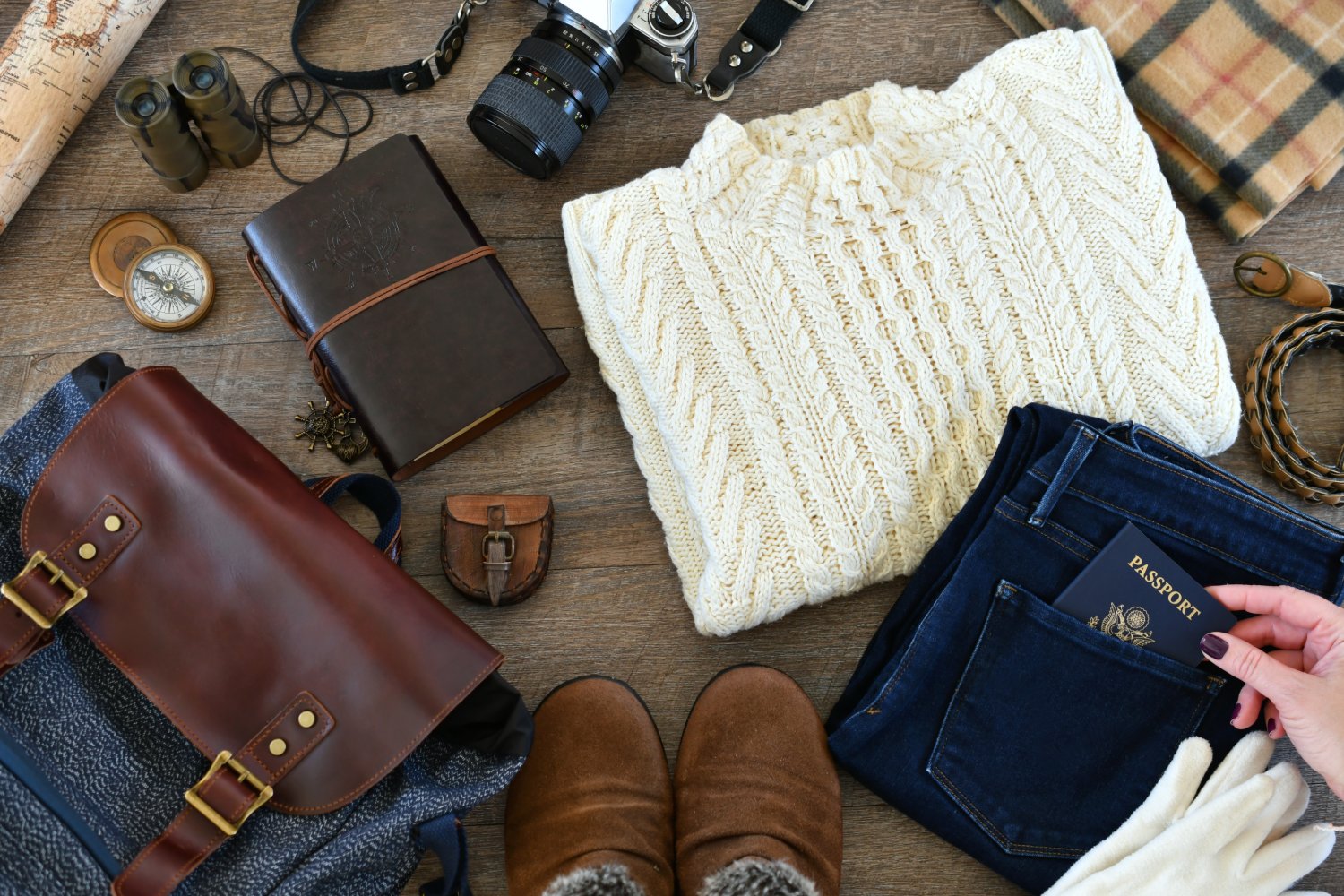
Europeans tend to dress a little more neatly than Americans on vacation, especially in cities. You don’t need fancy clothes, but simple, comfortable pieces will help you blend in. Think dark jeans or chinos, plain T-shirts, a light sweater and one nicer outfit for dinner.
Essential clothing for one to two weeks
- 4 to 5 tops or T-shirts
- 2 pairs of pants or jeans, or 1 pair plus a skirt or shorts in summer
- 1 light sweater or fleece
- 1 nicer outfit or dress for evenings
- 5 to 7 pairs of underwear and socks
- Sleepwear
- A bathing suit, even outside summer, for hotel pools and spas
- A lightweight jacket or rain jacket
- Flip flops for beaches, pools and hostel showers
Shoes
Shoes are the most important item on your list. You’ll easily walk 15,000 to 20,000 steps a day on cobblestones and hills. Bring one pair of comfortable walking shoes you’ve already broken in, plus one lighter pair, like sandals in summer or casual tennis shoes. For rainy northern cities, water-resistant shoes are a smart choice. Leave high heels at home, since they’re a real challenge on old streets.
Churches and dress codes
Many churches and religious sites, including St. Peter’s Basilica in Rome, require covered shoulders and knees. A light scarf or a thin cardigan in your daypack solves this in seconds. Some upscale restaurants and casinos also have a dress code.
Seasonal packing tips
The weather in Europe changes a lot from north to south and from season to season. Check the forecast a week before your trip and adjust your list. Our guide to the best time to visit Europe explains what to expect each month.
Spring and fall
Layers are key. Mornings and evenings can be cool, while afternoons feel warm. Pack a light jacket or waterproof jacket, a sweater, long pants and a compact umbrella for chilly nights. A scarf helps on windy days and in churches.
Summer
Southern Europe can be very hot in July and August, often above 95°F (35°C). Pack breathable fabrics like cotton and linen, plus sun protection: a sun hat, sunglasses and sunscreen. Air conditioning isn’t a given in older hotels, so light sleepwear helps. Still, bring one long-sleeve layer for air-conditioned trains and cool evenings in the mountains.
Winter
Northern and Central Europe get cold, with temperatures often near or below freezing. Pack a warm coat, a hat, gloves, warm layers, wool socks and waterproof shoes, especially if you’re visiting the Christmas markets in Central Europe or Northern Europe. If you’re chasing the northern lights in Lapland or Iceland, you’ll need proper winter gear. Many northern lights tours, especially in Lapland, provide thermal suits and boots.
Toiletries and health
Most toiletries are easy to buy in Europe, so you don’t need to bring full-size bottles. Pharmacies, marked with a green cross, are everywhere and often helpful.
Keep your essential toiletries and medicine in your carry-on:
- Liquids in containers of up to 3.4 oz (100 ml) in a clear quart-size bag for your carry-on.
- Prescription medicine in its original packaging, with a copy of the prescription.
- A small first aid kit: pain relievers, blister bandages and motion sickness pills.
- A mini sewing kit for quick fixes.
- Sunscreen, lip balm and hand sanitizer.
- Earplugs and an eye mask for flights and noisy city hotels.
Some airports have newer scanners that allow larger liquids, but rules at airport security still vary, so stick to the 100 ml limit to be safe.
Tech and electronics
Your phone is your map, ticket wallet and translator, so keep it charged. Here’s what to pack:
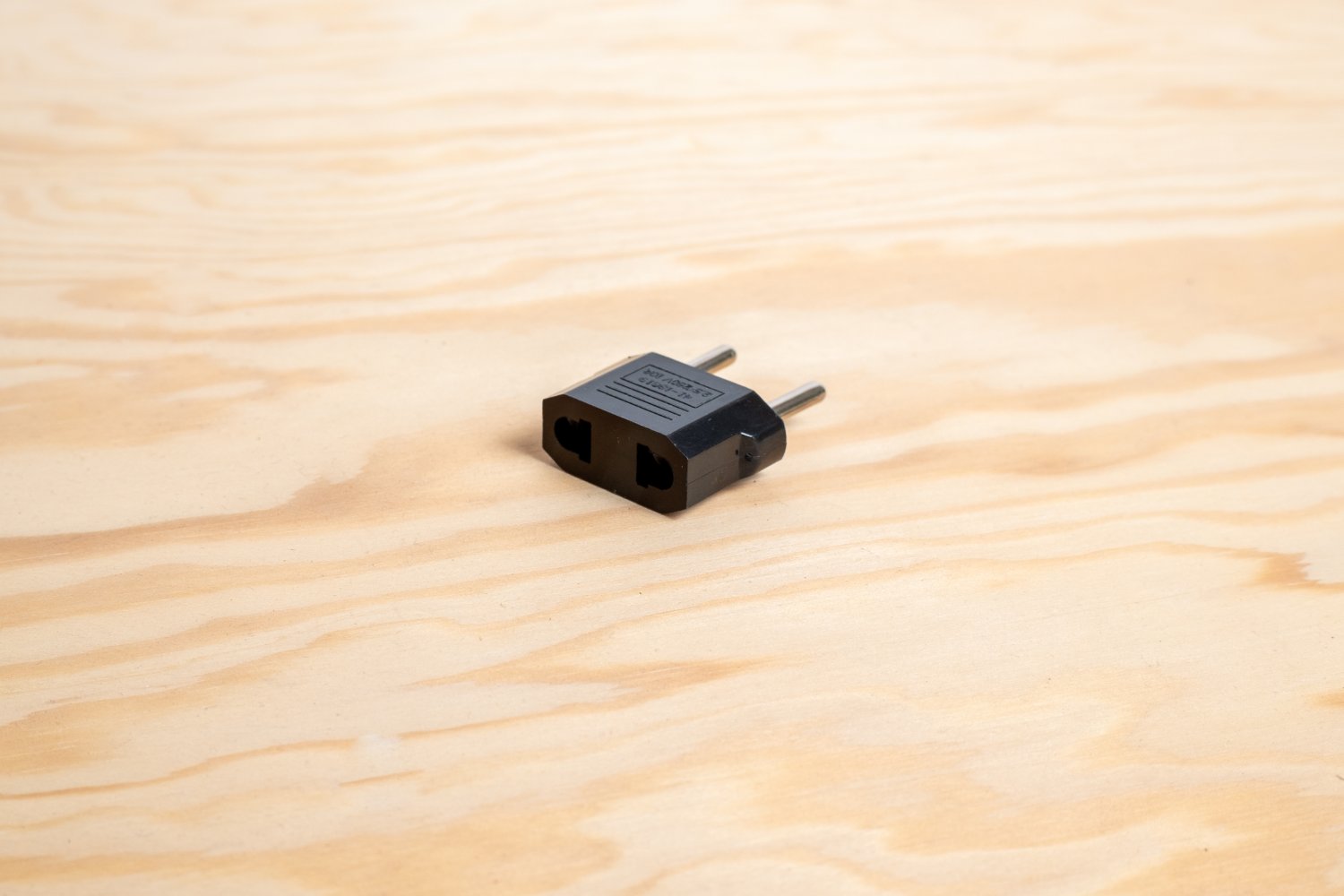
- Plug adapters: most of Europe uses type C and F plugs, while the UK and Ireland use type G. A universal travel adapter covers everything.
- A power bank for long sightseeing days.
- Charging cables and a small multi-port USB charger.
- Headphones for flights and trains.
- An eSIM or local SIM to stay connected.
Europe uses 230 volts. Phone and laptop chargers usually handle 100-240V, but check the label. Hair dryers and straighteners from the US often don’t, and hotels usually provide a hair dryer anyway.
Small items that make a big difference
These little things don’t take much space but come in handy again and again:
- A reusable water bottle, since tap water is safe in most of Europe and many cities have free fountains.
- A small daypack or crossbody bag with a zipper, to keep valuables safe from pickpockets.
- A foldable tote bag for groceries and markets, since stores charge for plastic bags.
- A few coins for public restrooms.
- A travel lock for hostel lockers.
- A quick dry towel if you plan beach days or hostel stays.
FUN FACT: Rome’s free drinking fountains are called nasoni, or “big noses,” because of the shape of their curved metal spouts.
What to leave at home
Some things only add weight and rarely get used:
- More than two or three pairs of shoes.
- Full-size toiletries and big beauty kits.
- Valuable jewelry.
- A full-size hair dryer.
- “Just in case” outfits you never wear at home.
- Large guidebooks, when an app or e-book does the same job.
If you forget something, don’t worry. Europe has excellent shops, and buying a sweater in Paris or sandals in Rome makes a great souvenir.
Carry-on or checked luggage?
For most first trips to Europe, a carry-on is the smarter choice. You’ll skip baggage claim, avoid lost luggage on connections and move easily between trains and hotels. Transatlantic flights usually include a full-size carry-on, though many European airlines cap it at 7 to 8 kg (15 to 18 lb), and budget airlines within Europe often allow only a small under-seat bag for free.

Checked luggage makes sense for a big trip of three weeks or more, winter travel with bulky clothes or family trips with kids. If you do check a bag, pack a change of clothes and your medicine in your carry-on, just in case.
Europe packing list FAQ
What should I not pack for Europe?
Leave high heels, valuable jewelry, full-size toiletries and too many outfits at home. US hair dryers and straighteners often don’t work on European voltage. You can buy most everyday items in Europe if you need them.
How many outfits should I pack for two weeks in Europe?
Pack for about a week: four or five tops, two bottoms, a sweater, a jacket and one nicer outfit. Choose pieces that mix and match, and plan to do laundry once. That’s enough for two weeks and fits in a carry-on.
Do I need a plug adapter for Europe?
Yes. Most of continental Europe uses type C and F plugs, and the UK and Ireland use type G. A universal adapter is the easiest option. Most phone and laptop chargers work on 230 volts, so you usually don’t need a converter.
What shoes are best for walking in Europe?
Comfortable sneakers or walking shoes with good support are best, since you’ll walk a lot on cobblestones and hills. Break them in before your trip. A second, lighter pair like sandals gives your feet a rest.
Can I bring only a carry-on to Europe?
Yes, and for most trips it’s the best option. A carry-on and a personal item hold everything you need for one to two weeks. Check the size limits of any budget airlines you’ll use within Europe.

