Tap your phone for a croissant in Paris, then find a sign reading “cash only” at a tiny family bar in Rome. Both are part of the same trip, so it pays to be ready for each.
Do I need cash in Europe? It’s one of the first questions Americans ask before their trip, and the short answer is: a little, but much less than you might expect. Cards and contactless payments are accepted almost everywhere, from big cities to many small towns. Still, a few situations call for cash, so it helps to plan how you’ll handle money before your European vacation. In this article you’ll find out when cash or card in Europe works best, how to avoid fees, how to use ATMs safely and how much money to carry each day.
Cash or card in Europe - the short answer
Use a card for most purchases and carry a small amount of cash for backup. In Western and Northern Europe, you can often go days without touching cash. In Sweden, Denmark, Finland, the Netherlands and the UK, some places don’t even accept it. In Southern and Eastern Europe, cash is still more common in small shops, markets and family-run restaurants.
For most trips, the best setup is:
- A credit card with no foreign transaction fees for everyday purchases.
- A debit card for ATM withdrawals.
- A backup card kept in a different place.
- A small amount of local cash in your wallet.
Where cards work best
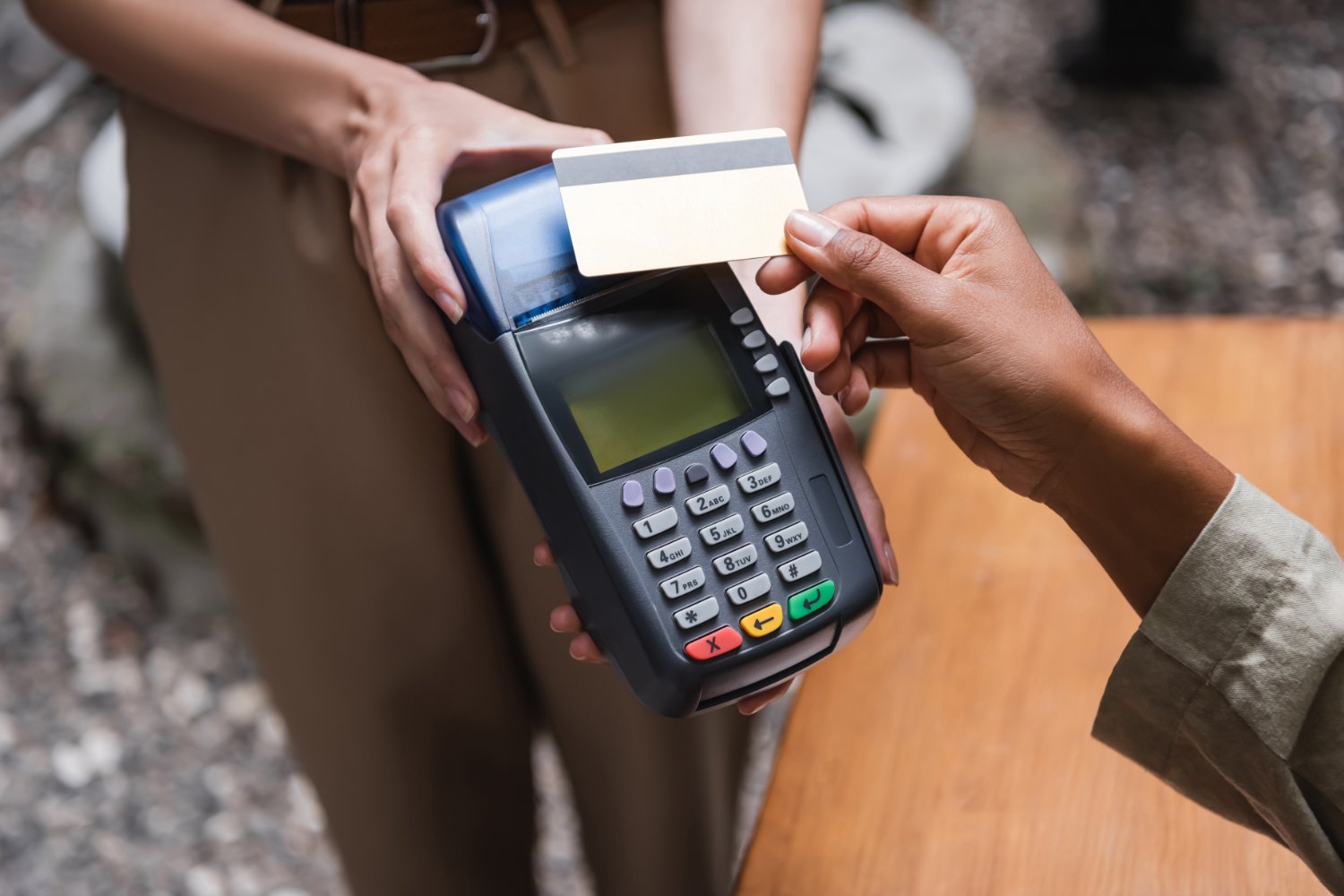
Most merchants accept credit cards, and Visa and Mastercard are accepted almost everywhere in Europe. American Express is less common, especially in small businesses, and Discover is rarely accepted. Contactless payment, with your card or with Apple Pay and Google Pay on your phone, is standard in shops, restaurants, supermarkets and on public transportation.
Cards work especially well for:
- Hotels, which usually ask for a card at check-in.
- Train tickets, flights and car rentals.
- Museums, attractions and tours, many of which are booked online anyway.
- Metro and bus fares in many cities, where you can tap your card at the gate or on board.
- Supermarkets, pharmacies and chain stores.
Some card terminals ask for a PIN, especially for larger amounts, so make sure you know the PIN for your credit card before you leave.
When you need to pay cash in Europe
Even in card-friendly countries, a few situations still call for cash, mostly small purchases:
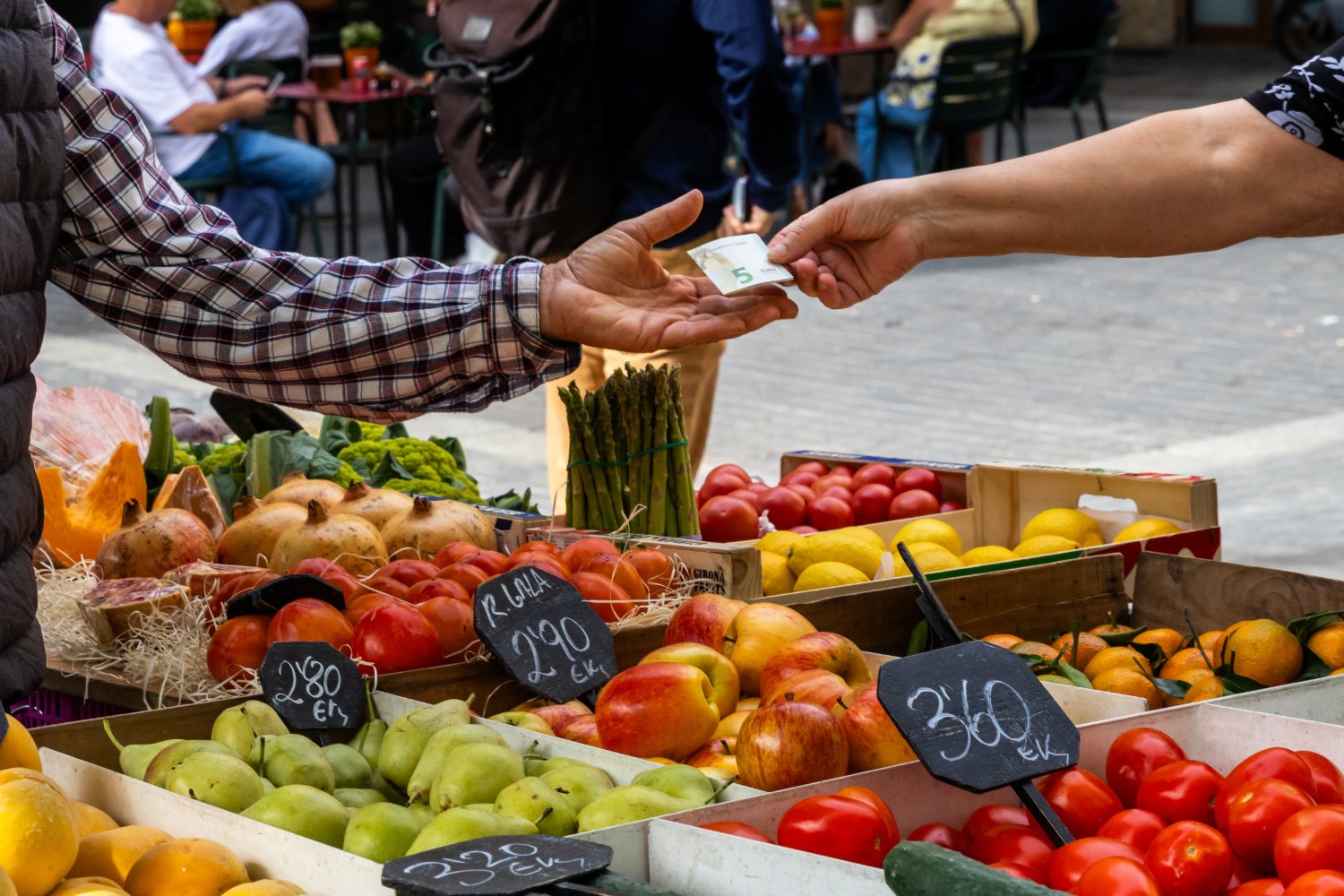
- Small cafés, bakeries, bars and family-run restaurants, especially in Italy, Spain, Greece and Germany.
- Outdoor markets and street food stalls.
- Public restrooms, which often cost a coin or two.
- Tips for guides, taxi drivers or servers, since many card machines have no tip option.
- Small towns, rural areas and islands, where card machines can be unreliable.
- Some taxis, though most in big cities now accept cards.
Germany and Austria are known for being more cash-friendly than their neighbors. Many small restaurants and beer halls still prefer cash, so keep some euros and the correct change handy there.
FUN FACT: In Sweden, so few payments are made in cash that many shops, cafés and most bank branches don’t handle banknotes at all.
How much cash should you bring?
There’s no single rule for how much cash to bring, but most travelers are fine with a small amount for a few days. In card-friendly countries, enough for coffee, a snack, a restroom and a tip is plenty. In more cash-based places, carry enough cash for markets and small restaurants, and use card payments for major expenses like hotels and trains. Refill from an ATM when you run low instead of carrying a large amount at once.
You don’t need to buy foreign currency before you leave the US, since exchange rates at home are often poor. Currency exchange desks at airports usually offer the worst deal of all. Withdraw cash from an ATM when you arrive instead. If you’d feel better landing with some cash, order a small amount from your bank.
Using ATMs in Europe
ATMs are the cheapest and easiest way to get local cash. To avoid extra fees:
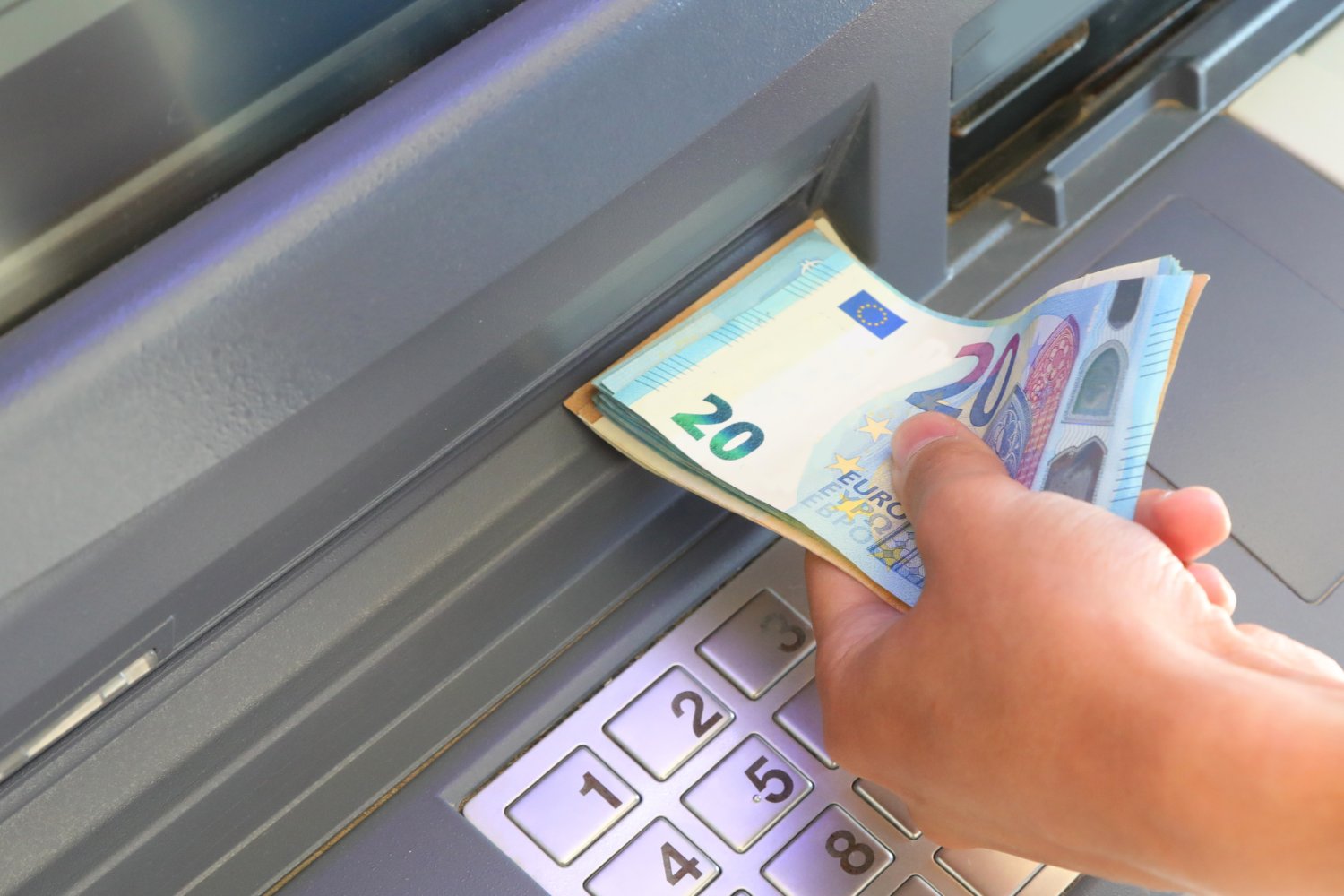
- Use bank-owned ATMs, ideally inside or next to a branch.
- Avoid independent ATMs in tourist areas, such as Euronet machines, which often charge high fees and offer poor exchange rates.
- If the ATM offers to convert the amount into US dollars, decline (choose “without conversion”) and pay in the local currency.
- Withdraw larger amounts less often, since many US banks charge a fee per withdrawal.
- Check if your bank has partner banks in Europe with lower fees, or open a checking account that refunds ATM fees abroad.
Before you travel, double check your bank account settings, check whether your bank wants a travel notice (most major card issuers no longer require one), and check your daily withdrawal limit.
Avoid dynamic currency conversion
This is the most common money trap for American travelers. When you pay by card or use an ATM, the machine may offer to charge you in US dollars instead of the local currency. This is called dynamic currency conversion (DCC). It sounds convenient, but it almost always comes with a worse exchange rate. Always choose to pay in the local currency, whether it’s euros, pounds or Swiss francs. Your bank will convert it into your home currency at a better rate.
Euros and other currencies in Europe
Most of the European Union uses the euro, which makes multi-country trips easier. But not every European country does. Different currencies apply in these popular destinations:
- United Kingdom - pound sterling (British pounds)
- Switzerland - Swiss franc
- Czechia - Czech koruna
- Poland - Polish złoty
- Hungary - Hungarian forint
- Denmark - Danish krone
- Sweden - Swedish krona
- Norway - Norwegian krone
- Iceland - Icelandic króna
In these countries, cards make life easier, since you won’t end up with leftover coins from every stop. A multi-currency travel card from a fintech app, such as a Wise card, is another low-fee option for managing money across other countries. If you’re planning a multi-country route, our guide on how to plan a trip to Europe from the US covers money and other practical details.
Staying safe with your money
Pickpocketing is the main risk in touristy areas, on metros and in crowded markets. A few habits keep your money safe:
- Keep cash and cards in a front pocket or a zipped bag, never in a back pocket.
- Split your money and cards between two places.
- Use your phone for contactless payments, so you rarely need to take out your wallet.
- Be careful at ATMs and cover the keypad when you enter your PIN.
- Save your bank’s emergency number, so you can freeze or cancel a card quickly if it’s lost.
When it comes to tips, small bills and coins are often easiest. Our guide to tipping in Europe explains what’s expected in each country.
Do I need cash in Europe? FAQ
Is it better to use cash or card in Europe?
A card is better for most purchases, since it’s widely accepted, safer and often gives a better exchange rate. Keep a small amount of cash for markets, small cafés, restrooms and tips.
Should I get euros before I travel?
You don’t have to. Bank ATMs at European airports and in cities give you euros at better rates than most US exchange offices. If you’d like some cash on arrival, order a small amount from your bank before you go.
Can I use my US credit card in Europe?
Yes, Visa and Mastercard work almost everywhere, and contactless payment is common. American Express is accepted less often. Use a card with no foreign transaction fees and always pay in the local currency.
Which European countries still prefer cash?
Germany and Austria are more cash-friendly than most, especially in small restaurants and bars. Cash is also common in parts of Italy, Greece, Spain and Eastern Europe, particularly in small towns and markets.
Are there places in Europe that don’t accept cash?
Yes. In Sweden, Denmark, Finland and the Netherlands, some shops, cafés and transport services are card-only. In these countries, a contactless card or phone payment is all you need.

