You have three days and a city that took nearly three thousand years to build. The secret isn’t seeing everything. It’s seeing the right things in the right order.
Rome is one of those cities where every street corner seems to hide a ruin, a church or a fountain worth a photo. That’s exactly why a plan matters. This 3 days in Rome itinerary groups the major sights by neighborhood, so you spend your time looking at the Eternal City instead of crossing it on a crowded bus. Day one covers ancient Rome, day two Vatican City, and day three Rome’s historic center with its piazzas, fountains and the Borghese Gallery. The good news: central Rome is extremely walkable, so you can explore Rome at your own pace between the most important sights.
The plan works for a first visit and assumes you’re comfortable walking several miles a day. You’ll also find tips on which tickets to book in advance, where to eat, how to get around and where to stay. For a broader list of sights, see our guide to the best Rome attractions.
💰 Hotel OKAPI - good-value hotel on a quiet street next to Piazza del Popolo
🏨 Palazzo Nainer - elegant boutique hotel between Piazza del Popolo and the Spanish Steps
💎 Rocco Forte Hotel De Russie - iconic luxury hotel with a terraced garden on Via del Babuino
Is 3 days in Rome enough?
Three days in Rome is enough to see the major highlights at a comfortable pace: the Colosseum and Roman Forum, the Vatican Museums and St. Peter’s Basilica, the Pantheon, the Trevi Fountain and the Spanish Steps. You won’t see every museum, but you’ll get a real feel for the city and still have time for long lunches and evening walks. If you have a fourth day, add a day trip (see below) or simply slow down.
The key to this Rome itinerary is booking timed tickets for the Colosseum, the Vatican Museums and the Borghese Gallery before you go. These three sights sell out regularly, especially in the summer months, and lines at the door can eat up hours of your Italy trip. Pre book online, and buy tickets only from official sellers or reputable platforms.
Rome itinerary day 1 - Ancient Rome
Start your first day where Rome itself began. The Colosseum, the Roman Forum and Palatine Hill sit right next to each other and are covered by one combined ticket, so you can see the heart of the ancient city in a single morning.
Colosseum - guided tour or audio guide?
The Colosseum is the largest amphitheater ever built by the Romans. It opened in 80 AD and could hold tens of thousands of spectators who came to watch gladiator fights and wild animal hunts. Arrive in the early morning for your timed entry and take your time on the upper levels, where the views over the arena and the underground passages are the best. If you want to see the hypogeum, the tunnels where gladiators and animals waited, or stand on the reconstructed arena floor, book a Colosseum tour that includes these areas. Small-group and private tours are among the best tours in Rome for history lovers.
Roman Forum and Palatine Hill
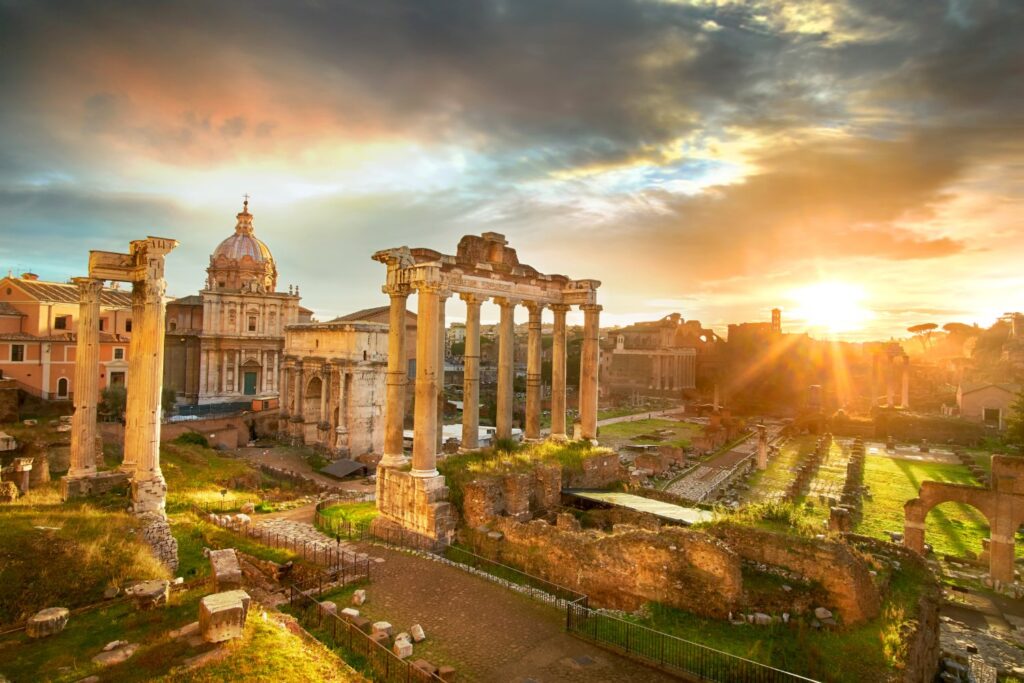
From the Colosseum, walk past the Arch of Constantine to the Roman Forum, the political and religious center of the ancient city from the days of the Roman Republic to the Empire. Ruined temples, triumphal arches and the remains of the Senate house line the old Via Sacra. Then climb Palatine Hill, where emperors built their palaces. The terraces at the top give you a bird’s eye view over the Roman ruins of the Forum, so save some energy for the climb.
Capitoline Hill and the Capitoline Museums
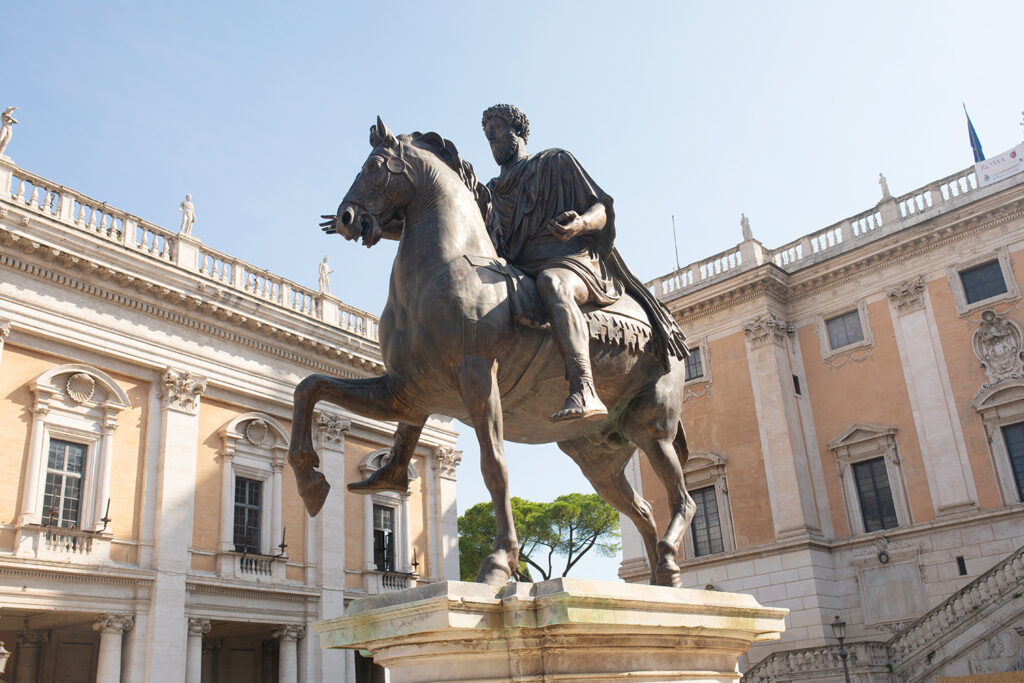
After a nice lunch in the Monti neighborhood, walk up Capitoline Hill to Piazza del Campidoglio, designed by Michelangelo. The Capitoline Museum complex on the square is the oldest public museum in the world, full of Roman sculptures. It holds the original bronze statue of Marcus Aurelius and the famous Capitoline Wolf. Don’t miss the terrace behind the museum, with a view straight down onto the Forum. On your way down, you can peek into the Mamertine Prison, where, according to tradition, Saints Peter and Paul were held.
Early evening in Trastevere
End the day across the river Tiber in Trastevere, one of the most charming neighborhoods in Rome, with cobbled lanes, ivy-covered walls and lively trattorias. Visit the Basilica of Santa Maria in Trastevere with its golden mosaics of the Virgin Mary, then sit down for cacio e pepe or carbonara. Before dinner, join the locals for a drink at Bar San Calisto, an old-school neighborhood bar. Trastevere is busiest after dark, so it’s the perfect place to experience Rome’s evening buzz.
Rome itinerary day 2 - The Vatican
Dedicate your second day to Vatican City, the smallest country in the world, the center of the Catholic Church and home to some of the greatest art ever made. Plan to spend most of the day here, as the museums alone take at least three hours.
Vatican Museums and the Sistine Chapel
The Vatican Museums are a collection of galleries built up by popes over five centuries. The Vatican Museums highlights include the Raphael Rooms, the Gallery of Maps, the classical statues of the Pio-Clementino Museum and, at the end, the Sistine Chapel with Michelangelo’s masterpiece, the ceiling frescoes, and his Last Judgment. Book the first entry of the day or a guided tour to avoid the biggest crowds. Remember that shoulders and knees must be covered, and photos are not allowed in the Sistine Chapel.
St. Peter’s Basilica and St. Peter’s Square
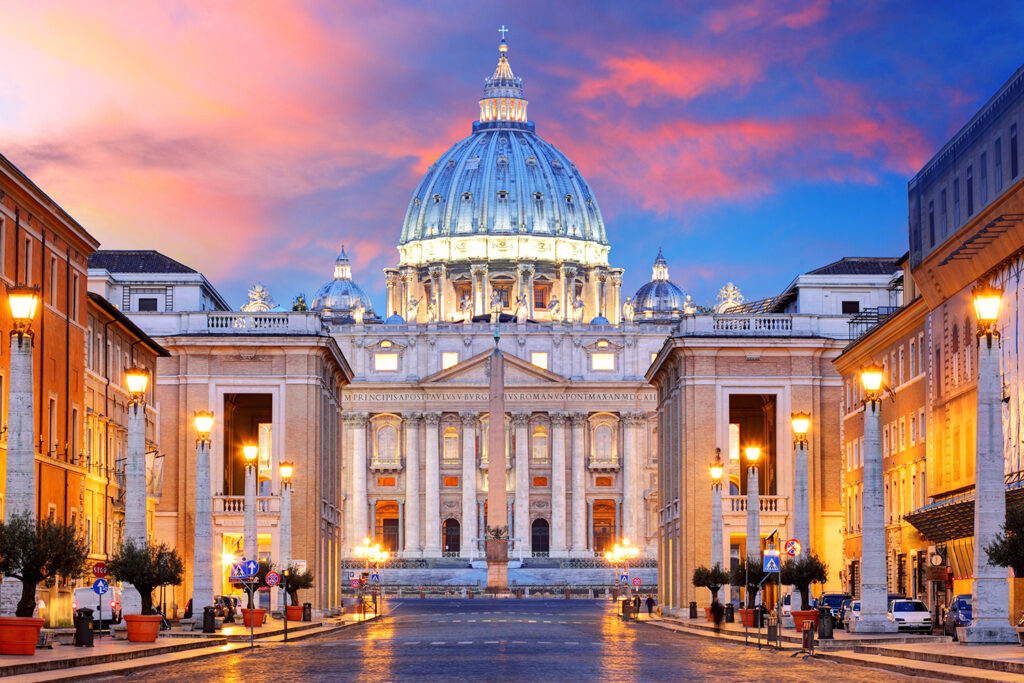
St. Peter’s Basilica (Basilica di San Pietro) is one of the largest churches in the world, built over the tomb of St. Peter. Inside, you’ll find Michelangelo’s Pietà and Bernini’s bronze canopy over the papal altar. If you have the energy, climb the dome for a stunning view over St. Peter’s Square, Bernini’s colonnade and the city center. Entry to the basilica is free, but expect a security line, and the same dress code applies as in the museums.
Castel Sant’Angelo
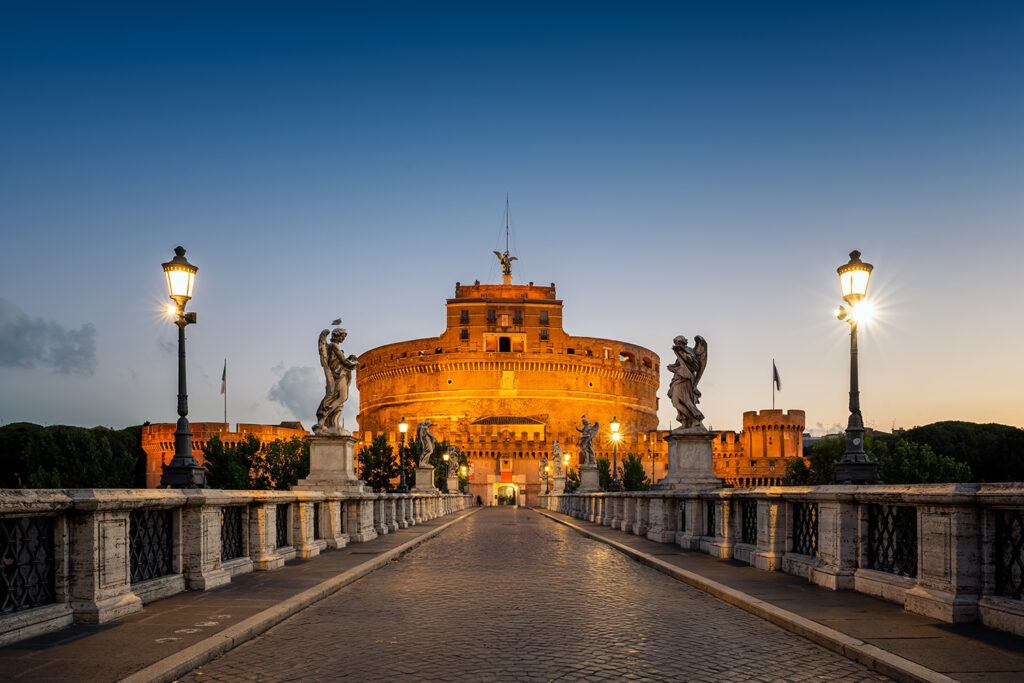
Walk along Via della Conciliazione to Castel Sant’Angelo, a fortress built as the tomb of Emperor Hadrian. Over the centuries it served as a papal castle and prison, linked to the Vatican by a fortified passage. The rooftop terrace has a great view of St. Peter’s dome, and the bridge in front of the castle, lined with Bernini’s angels, is beautiful at sunset.
Sunset on Gianicolo Hill
If you still have energy, walk up Gianicolo Hill (Janiculum) from Trastevere or the Vatican. The terrace by the Garibaldi monument has one of the best panoramas of Rome, with domes and bell towers stretching to the hills. It’s a quieter alternative to the busy viewpoints in the center.
Evening at Piazza Navona and Campo de’ Fiori
Cross the river to Piazza Navona, built on the site of an ancient stadium. Bernini’s Fountain of the Four Rivers stands in the center, surrounded by cafés and street artists. From here, the narrow streets around Campo de’ Fiori, with its morning market of seasonal produce, and Via del Governo Vecchio are full of good places for dinner.
Rome itinerary day 3 - The historic center and Villa Borghese
On your final day, explore the historic center, where Rome’s most famous squares and fountains are just a few minutes’ walk apart. Start early, because the Trevi Fountain and the Pantheon get very crowded by late morning.
Pantheon
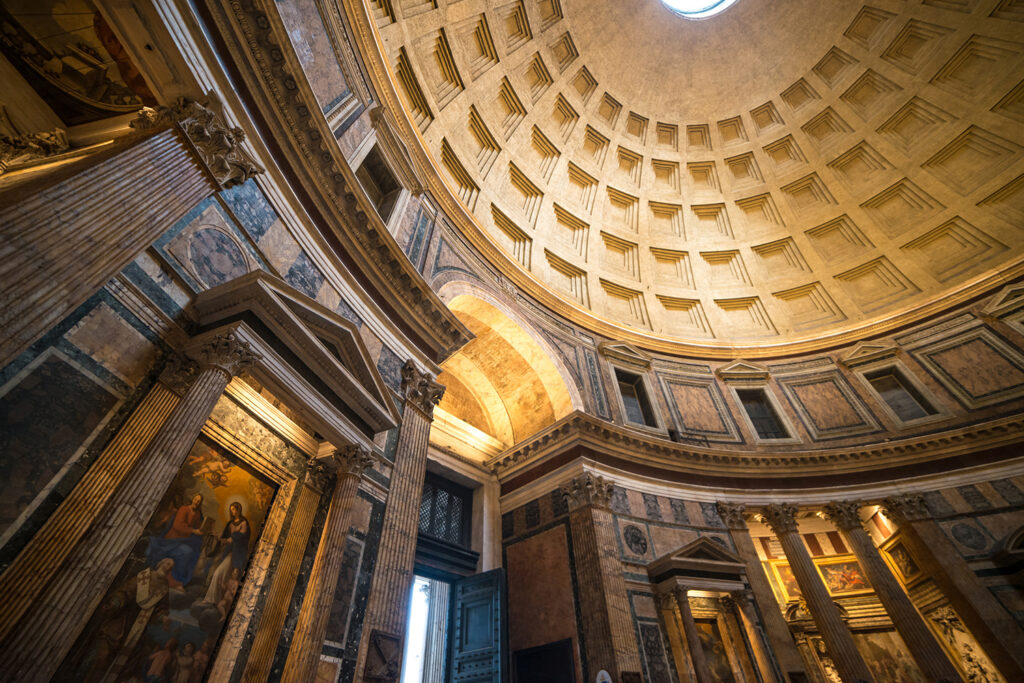
The Pantheon is the best-preserved building of ancient Rome. It has been in continuous use for almost 1,900 years and is now a church. Built under Emperor Hadrian, its concrete dome with an open oculus at the top is still the largest unreinforced concrete dome in the world. Inside, you’ll also find the tomb of Raphael. Entry requires a ticket, which you can buy on site or online.
Trevi Fountain
From the Pantheon, it’s a ten-minute walk to the Trevi Fountain, the largest Baroque fountain in Rome. Tradition says that if you throw a coin over your shoulder into the water, you’ll return to Rome. Come as early as possible for photos without the crowds, or return late in the evening when the fountain is lit up.
Spanish Steps
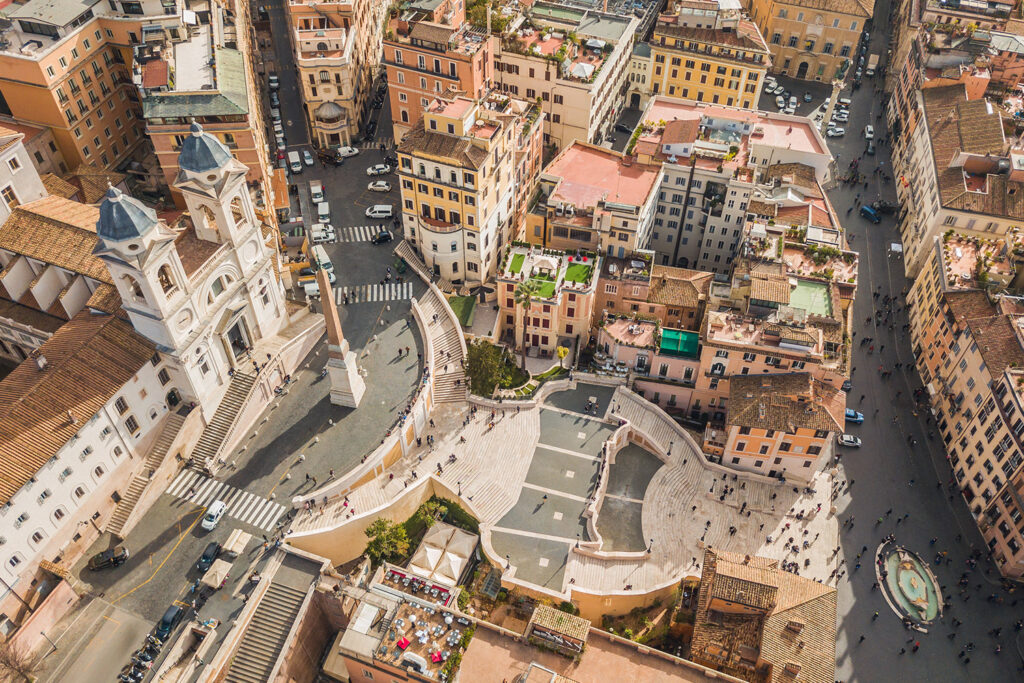
Walk up Via del Corso, Rome’s main shopping street, and continue to Piazza di Spagna and the Spanish Steps, which lead up to the Trinità dei Monti church. At the bottom is Bernini’s boat-shaped Barcaccia fountain, and the streets around the square are home to Rome’s top fashion boutiques. Note that sitting on the steps is not allowed. From the top, follow the road along the Pincio to Villa Borghese.
Borghese Gallery and Villa Borghese
The Borghese Gallery is one of the finest art museums in Rome, with sculptures by Bernini and paintings by Caravaggio, Raphael and Titian. Visits are limited to timed slots, so you must book in advance. Afterward, relax in the Villa Borghese gardens, rent a rowboat on the small lake or walk to the Pincio terrace for a sunset view over Piazza del Popolo.
More than 3 days in Rome? Add a day trip
If your Italy trip includes a fourth day, take a day trip out of the city. Ostia Antica, about 30 minutes by train, has ancient ruins of a whole Roman port town with fewer crowds than the Forum. Tivoli is home to Hadrian’s Villa and the fountains of Villa d’Este, both UNESCO World Heritage Sites. You can also stay in the city and walk the old Appian Way or explore the Jewish Ghetto and Trastevere’s quieter corners.
Where to eat in Rome
Roman cuisine is simple and hearty. Try the four classic pastas: cacio e pepe, carbonara, amatriciana and gricia. Order carciofi alla romana (Roman-style artichokes) in season and supplì, fried rice balls with mozzarella, as a snack. For lunch on the go, grab pizza al taglio, sold by weight. Avoid tourist traps with picture menus right next to the big sights and walk a few streets away, especially in Monti, Testaccio and Trastevere. A food tour or a cooking class is a fun way to learn more about Roman cuisine, and of course, you should finish every day with gelato. In the Jewish Ghetto, try carciofi alla giudia, fried artichokes.
Getting around central Rome
The historic center of Rome is compact, so walking is the best way to get around this itinerary. Use public transportation for longer distances, especially the metro, for example from the Colosseum to the Vatican (Ottaviano stop) or from Termini station. Buses cover places the metro doesn’t reach, while taxis must be taken from official stands or booked through an app. If you arrive at Fiumicino airport, the Leonardo Express train takes you to Termini in about 30 minutes.
Best time to visit Rome
The best time to visit Rome is spring (April to early June) and fall (late September to October), when the weather is warm but not too hot. The summer months bring heat and the biggest crowds, while winter and early spring are quieter, with fewer crowds at the big sights, though some days are rainy. Visiting Rome in the shoulder season is an amazing time to see the city. Whenever you travel, start sightseeing early in the day. For more planning tips, read our guide on the best time to visit Europe.
Where to stay in Rome
For a 3-day trip, stay in the historic center or near Piazza del Popolo and the Spanish Steps, so you can walk to most sights and come back to the hotel for a break in the afternoon. All three hotels below are in this elegant, central area.
💰 Hotel OKAPI
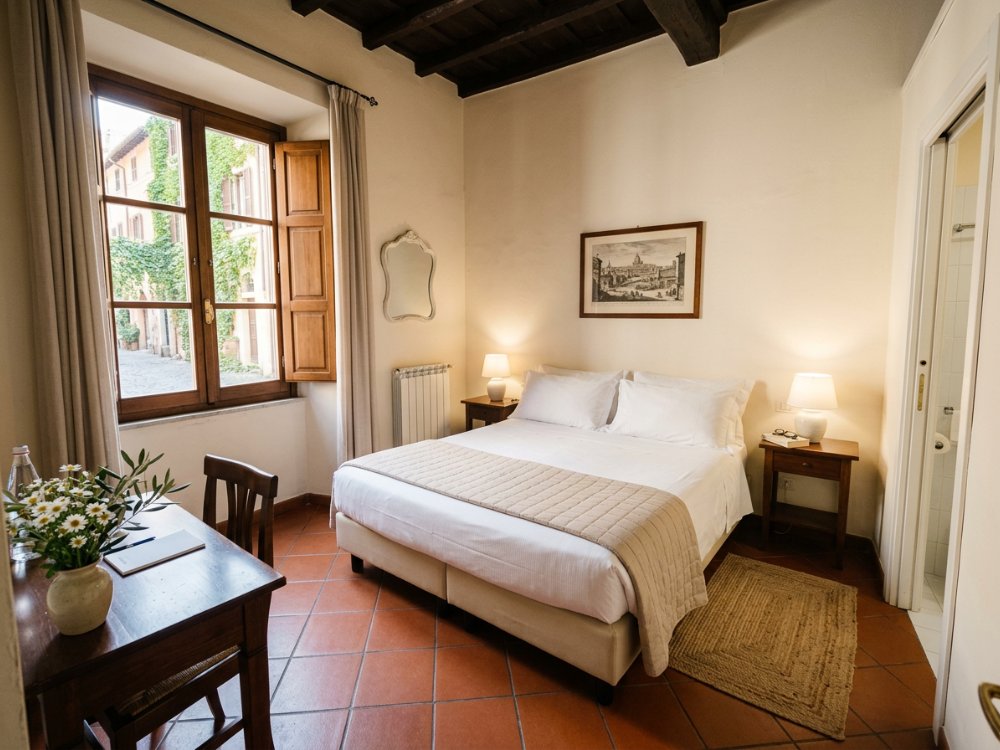
A simple, good-value hotel on a quiet street in the historic center, right next to Piazza del Popolo and the Tiber. Villa Borghese park is just a five-minute walk away, and the Flaminio metro station is nearby. It’s a practical base if you want a central location without a big budget.
🏨 Palazzo Nainer
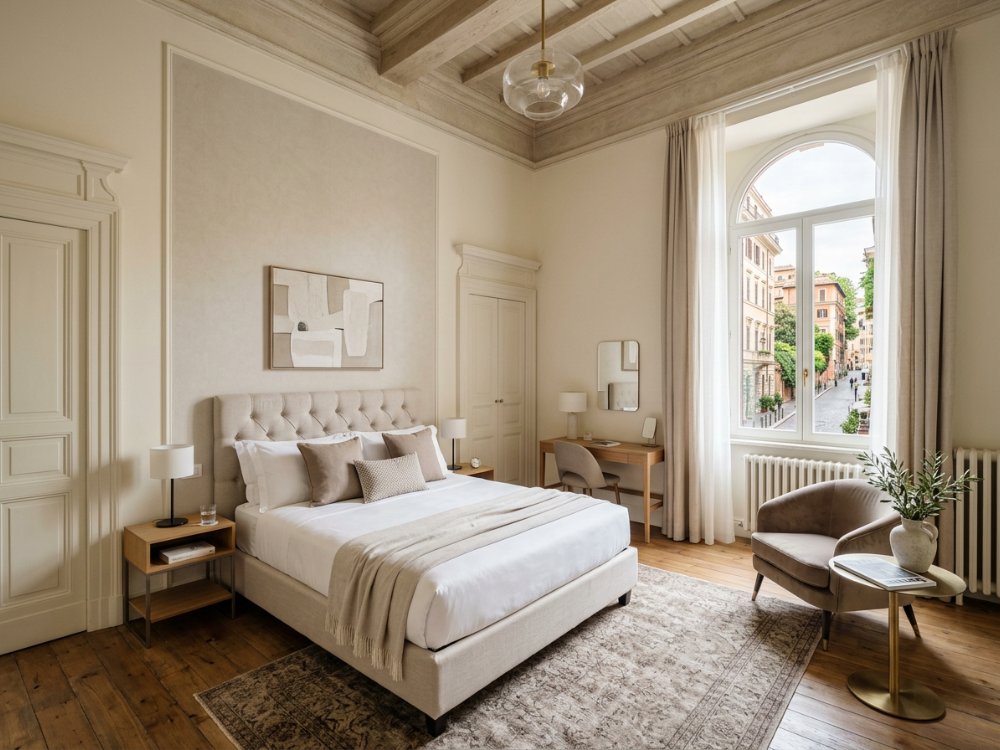
An elegant boutique hotel in an early 19th-century building on one of the upscale streets between Piazza del Popolo and the Spanish Steps. Rooms are stylish, and the service gets great reviews. It suits couples who want a charming hotel steps from Rome’s best shopping streets.
💎 Rocco Forte Hotel De Russie
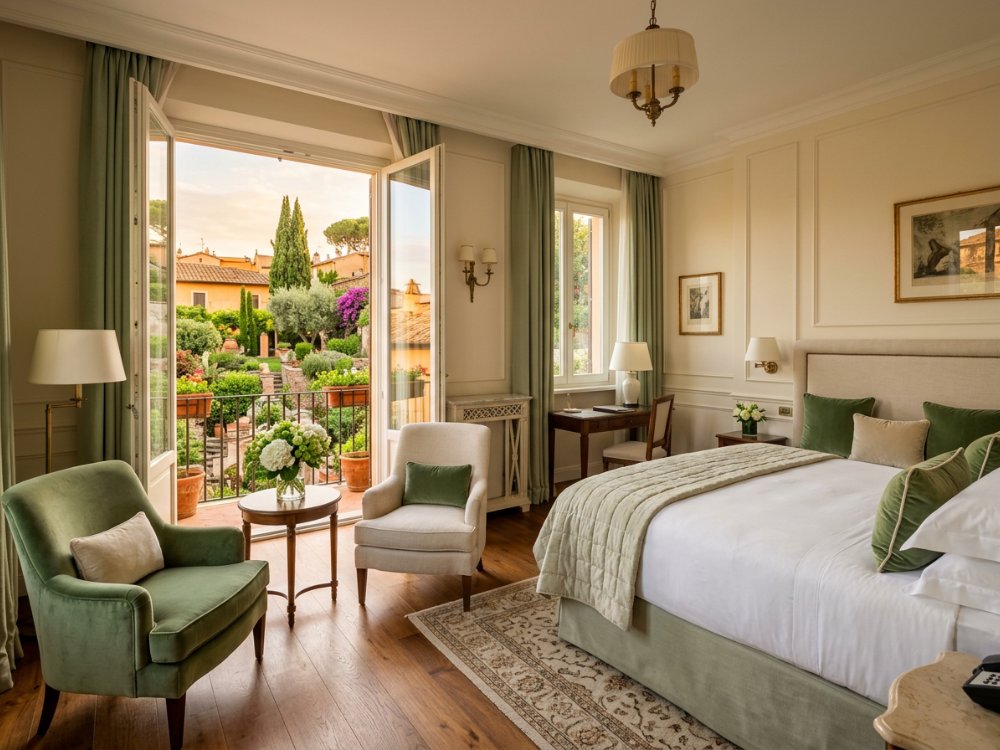
One of Rome’s most famous luxury hotels, on Via del Babuino just steps from Piazza del Popolo. It has a peaceful terraced garden, an excellent restaurant and spacious, elegant rooms. It’s the perfect choice for a special trip.
Rome itinerary FAQ
Is 3 days enough for Rome?
Yes, three days is enough to see Rome’s main highlights, including the Colosseum, the Vatican and the historic center, at a comfortable pace.
What should I book in advance for Rome?
Book timed tickets for the Colosseum, the Vatican Museums and the Borghese Gallery. All three sell out regularly, especially from spring to fall.
Can you see the Vatican in one day?
Yes. One full day is enough for the Vatican Museums, the Sistine Chapel and St. Peter’s Basilica, with time left for Castel Sant’Angelo nearby.
Where should I stay in Rome for 3 days?
Stay in the historic center, near the Pantheon, Piazza Navona or Piazza del Popolo, so you can walk to most sights in this itinerary.
What is the best month to visit Rome?
April, May, late September and October offer the best mix of pleasant weather and smaller crowds than in summer.

