Two travelers can spend the same week in the same city and come home with bills that differ by thousands of dollars. The difference is rarely luck - it’s a handful of choices made before the trip.
How much does a trip to Europe cost? For most Americans, a one-week trip costs roughly $2,000 to $4,000 per person, including flights, on a mid-range budget. A two-week trip usually lands between $3,500 and $6,500. The average Europe trip cost depends on where you go, when you travel and how you like to spend your money. In this article you’ll find a breakdown of the main costs, typical daily budgets by travel style and region, and practical tips to make your money go further. All prices in this guide are approximate estimates for US travelers. They change with the season, demand and exchange rates, so always check the current price with the airline, hotel, rail operator or booking site before you set your budget.
What goes into the cost of a trip to Europe?
Your total Europe trip cost comes down to five main parts:
- Flights from the US to Europe and back.
- Accommodation, usually the biggest daily cost.
- Transportation between cities and within them.
- Food and drinks, from cafés to sit-down dinners.
- Sightseeing and activities, like museums, tours and day trips.
Add a small buffer for extras such as travel insurance, a UK ETA if you visit Britain, a phone data plan, souvenirs and the occasional taxi. Many travelers set aside about 10% of the total cost for surprises and hidden costs.
Flight costs from the US to Europe
Round-trip flights in economy from the US to Europe often cost somewhere between $600 and $1,200 per person, depending on the season, your departure city and how early you book. Summer and the Christmas holidays are the most expensive times to fly. January, February and November are usually the cheapest, and peak season fares can be close to double the winter ones.
Travelers from major US cities on the East Coast generally find lower flight prices and more nonstop international flights than those flying from the West Coast or the Midwest. To save, compare fares to big hubs like London, Paris, Amsterdam, Dublin and Lisbon, fly midweek and set price alerts in Google Flights a few months ahead to catch flight deals. Our guide to the best time to visit Europe explains when fares are lowest.
Accommodation costs
Where you sleep has the biggest impact on your daily budget. As a rough guide for a double room per night:

- Budget: hostels, simple guesthouses and budget hotels, often $60 to $120.
- Mid-range: comfortable mid-range hotels with three or four stars, or apartments, often $130 to $250.
- Luxury: luxury hotels and boutique stays, $300 and up.
A hotel room costs more in Western European capitals like London, Paris and Amsterdam, as well as in Zurich and the Nordic capitals, and lower in Portugal, Greece and Central and Eastern Europe. Staying a little outside the historic center but close to a metro or train station can save a lot. Apartments often work out cheaper for families, since you can cook some meals.
Book early for summer and festival dates, and choose free cancellation so you can adjust your plans later.
Compare places to stay in Europe
Transportation costs
Getting around Europe is easy, but costs add up quickly if you change cities often. High-speed trains between major cities are fast and comfortable, and booking early usually gets you much cheaper fares. Budget airlines work well for longer distances between European cities, but check the baggage fees before you book. You can compare train and bus routes between cities on Omio.
If you’ll take many train trips, a rail pass can be worth it. Our Eurail pass guide explains when it pays off. Within cities, public transportation is affordable, and day or multi-day passes save money. Car rentals make sense mainly for the countryside, and you can compare car rental prices before you go. Remember to budget for fuel, tolls and parking.
Food and drink costs
Food can be one of the best parts of your trip without being the most expensive. A budget traveler can eat well on $30 to $50 a day by mixing bakeries, markets and casual lunches. A mid-range traveler usually spends $60 to $100 a day, with one sit-down meal and a glass of wine. Fine dining can easily double that.
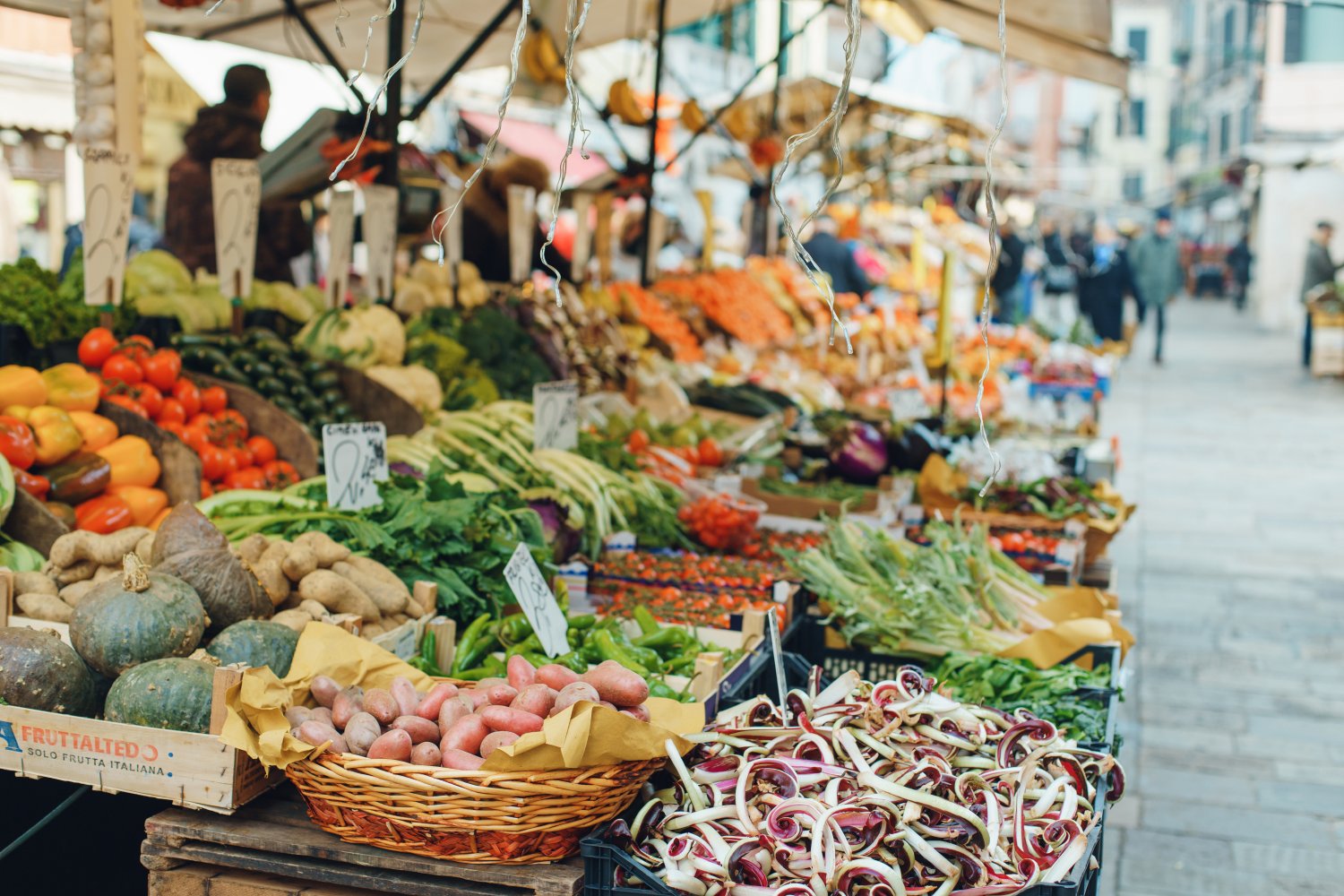
A few habits help a lot:
- Make lunch your main meal, when many restaurants offer a fixed-price menu.
- Drink coffee at the counter, as locals do, instead of at a table.
- Picnic with fresh bread, cheese and fruit from local markets.
- Eat a couple of blocks away from major sights, where prices drop.
Tap water is safe in most of Europe, and tipping is much lower than in the US. Our guide to tipping in Europe explains what’s expected in each country.
Sightseeing and activities
Museum tickets, guided tours and day trips are where your budget can stretch or shrink the most. Plan to spend about $20 to $60 per day on sightseeing if you visit one or two paid attractions, and more if you add guided tours, boat trips or shows.
To spend less, look for free museum days, city passes that bundle several sights and free walking tours. Many of Europe’s best experiences cost nothing: wandering old towns, watching the sunset over a river or relaxing in a park. For the big sights, book timed tickets in advance to avoid sold-out days.
Daily budget for Europe by travel style
Your travel style shapes your trip cost per person as much as your destination does.
Here’s how a typical day can look per person, not counting flights. These are averages for Western Europe in the shoulder season:
- Budget traveler: about $100 to $150 a day, with hostels or simple hotels, public transportation, casual food and a few paid sights.
- Mid-range traveler: about $200 to $300 a day, with comfortable hotels, one sit-down meal a day, trains between cities and several paid attractions.
- Luxury traveler: $400 a day and up, with upscale hotels, fine dining, private tours and taxis.
Traveling as a couple lowers the cost per person, since you share rooms and taxis. Families save by booking apartments and choosing attractions with free entry for kids.
How costs differ by region
Your choice of destination changes your budget more than almost anything else.
- Most expensive: Switzerland, Norway, Iceland, Denmark, Ireland, the UK and cities like Paris and Amsterdam.
- Mid-range: Italy, Spain, France outside Paris, Germany and Austria.
- Best value: Portugal, Greece, Czechia, Hungary, Poland, Bulgaria, Romania and the Balkans.
A week in Lisbon, Kraków or Budapest can cost half as much as a week in London or Zurich, since Eastern European prices for food and hotels are significantly cheaper. Mixing one expensive city with a cheaper one is a smart way to balance your budget.
FUN FACT: Iceland and Switzerland regularly top Europe’s price rankings, while Bulgaria and Romania are among the cheapest in the EU.
Hidden costs to budget for
Some costs don’t show up when you first price a European vacation, but they add up quickly. Plan for these hidden costs:
- Tourist taxes: many European cities, including Paris, Rome, Barcelona and Amsterdam, charge a city tourist tax per person per night, often paid at the hotel.
- Airport transfers: trains or buses into town are cheap, but taxis from some airports are expensive.
- Baggage fees: budget carriers charge extra for checked bags and sometimes for larger carry-ons.
- Entrance fees: museums, churches with paid areas and viewpoints all add up over a week.
- Bank fees: foreign transaction fees and ATM charges are hidden fees you can avoid with the right cards.
- Travel insurance: US health insurance often doesn’t cover overseas emergencies, so look for a policy with medical evacuation coverage.
Sample budgets for one and two weeks
To give you a clearer picture, here are rough totals per person for a mid-range traveler, including flights from the US. These totals are approximate, so check current prices for your dates before you book:
- One week in Western Europe (for example, Paris and London): about $2,500 to $4,000.
- One week in Southern Europe (for example, Lisbon and Porto): about $2,000 to $3,000.
- Two weeks across three or four cities: about $3,500 to $6,500. A two week trip to four or more countries usually lands at the higher end.
Budget travelers can bring these numbers down by a third or more with hostels, cheap flights and careful planning. If you’re just starting out, our guide on how to plan a trip to Europe from the US walks you through each step.
How to save money on your Europe trip
- Travel in the shoulder season, from late April to early June or September to October.
- Fly into a big hub and connect with a budget airline or train.
- Choose fewer bases and stay longer in each one.
- Book trains early and compare them with rail passes.
- Use a credit card with no foreign transaction fees and avoid paying in US dollars at card machines.
- Visit free attractions and take free walking tours.
How much does a trip to Europe cost? FAQ
Is $5,000 enough for two weeks in Europe?
Yes, for one person on a mid-range budget, $5,000 is usually enough for two weeks, including flights. In expensive countries like Switzerland or the UK, it will be tighter. In Portugal, Greece or Central Europe, it goes much further.
Is $100 a day enough in Europe?
It can be, but only on a tight budget. In Eastern and Southern Europe, $100 a day covers hostels or simple hotels, public transportation and casual food. In Western and Northern Europe, you’ll likely need more.
How much does a one-week trip to Europe cost?
A one-week trip usually costs about $2,000 to $4,000 per person on a mid-range budget, including flights. Budget travelers can spend less, especially in cheaper regions or the low season.
What is the cheapest way to travel in Europe?
Travel in the low or shoulder season, stay in hostels or apartments, book trains and flights early and eat where locals eat. Choosing affordable countries like Portugal, Poland or Hungary makes the biggest difference.
What is the most expensive part of a Europe trip?
For most travelers, accommodation is the biggest cost, followed by flights from the US. Food and sightseeing depend more on your style and are easier to control day by day.

