Ancient ruins in the morning, Renaissance masterpieces by lunch, a gondola at sunset. Ten days is just enough to fall for Italy, and just short enough to make you plan your return.
Italy is the dream destination for many American travelers, and it’s easy to see why. In a single trip you can walk through ancient Rome, see Michelangelo’s David in Florence, drift along the canals of Venice and end with a boat ride on Lake Como. This 10 day Italy itinerary connects these classic highlights on one simple route by high-speed train, so you spend your vacation sightseeing, not driving or waiting at airports.
Below you’ll find a day-by-day plan, how to get between cities, which tickets to book in advance, when to go, and where to stay. The route works best for a first trip to Italy, and you can easily swap or add stops if you want to see more of the country.
💰 Hotel OKAPI - good-value hotel in central Rome, next to Piazza del Popolo
🏨 Hotel Metropole Suisse - classic lakefront hotel in Como, steps from the ferry pier
💎 Grand Hotel Villa Serbelloni - legendary luxury hotel with gardens and a spa in Bellagio
Italy itinerary 10 days at a glance
Fly into Rome and out of Milan with an open-jaw ticket, so you don’t waste a day backtracking. All the cities on this route are connected by fast trains: Rome to Florence takes about 1.5 hours, Florence to Venice about 2 hours, and Venice to Milan about 2.5 hours, with a short regional train from Milan to Lake Como.
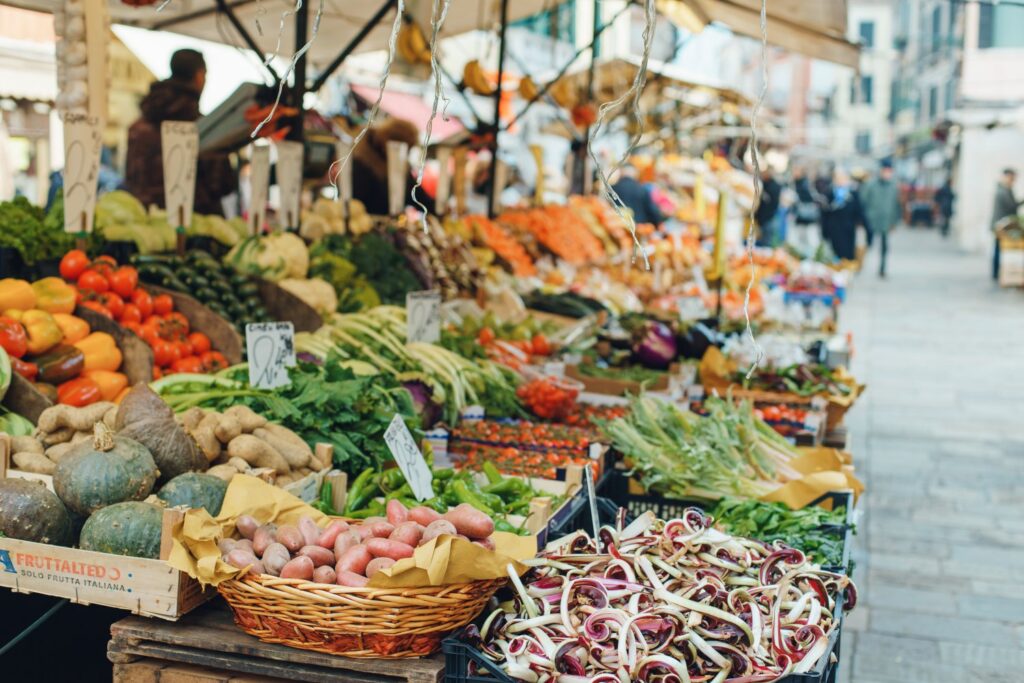
- Days 1-3: Rome - the Colosseum, the Vatican and the historic center.
- Days 4-6: Florence - the Duomo, the Uffizi Gallery and a day trip to Tuscany.
- Days 7-8: Venice - St. Mark’s Square, the Grand Canal and the islands.
- Days 9-10: Lake Como - Bellagio, Varenna and a boat trip on the lake, then fly home from Milan.
Getting around Italy by train
High speed trains are the easiest way to follow this 10 day Italy itinerary. Frecciarossa trains run by Trenitalia and Italo trains link Rome, Florence, Venice and Milan, and most of them leave from a central train station in the city center, so you skip airport security and long transfers. Rome to Florence is a direct train of about 1.5 hours, and Florence to Venice takes around 2 hours. Book high speed tickets a few weeks ahead, especially in peak season, because fares rise as the date gets closer. If you plan to see more of Europe on the same trip, a Eurail pass can also cover these routes.
For short hops, such as Milan to Varenna on Lake Como or Florence to Pisa, you’ll use a regional train. Regional tickets have fixed fares, so there’s no need to book them in advance, but you must validate them before boarding. Inside the big cities, public transportation is simple, though in Florence and Venice you’ll walk almost everywhere. A train ride through Tuscany or along the lakes is also a relaxing way to see northern Italy without driving.
Days 1-3: Rome
Start your Italy travel itinerary in the Eternal City, where nearly three thousand years of history are packed into one walkable center. Three days give you enough time for the big sights and for slow evenings in the piazzas. For a detailed plan, see our 3 days in Rome itinerary.
Day 1 - The Colosseum and ancient Rome
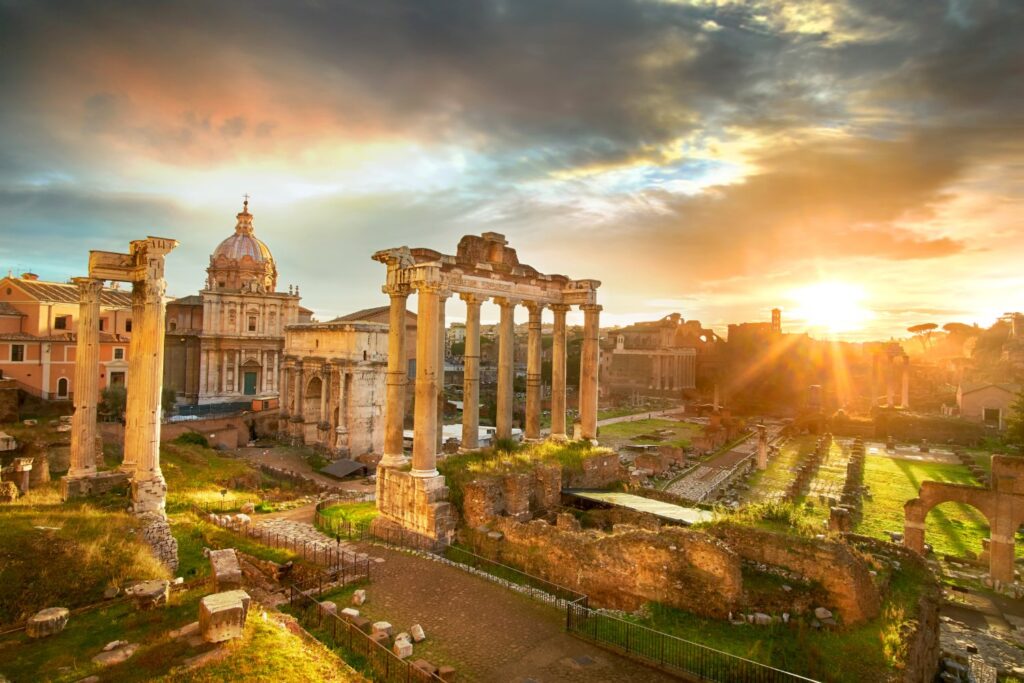
Spend your first morning at the Colosseum, the Roman Forum and Palatine Hill, which share one combined ticket. In the afternoon, climb Capitoline Hill for a view over the Forum, then cross the Tiber to Trastevere for dinner. Book your Colosseum time slot well in advance, especially from spring to fall. Start in the early morning to beat the crowds, and consider a guided tour that includes the underground and the arena floor. Afterward, grab lunch nearby in Monti, one of the most charming neighborhoods in central Rome.
Day 2 - The Vatican
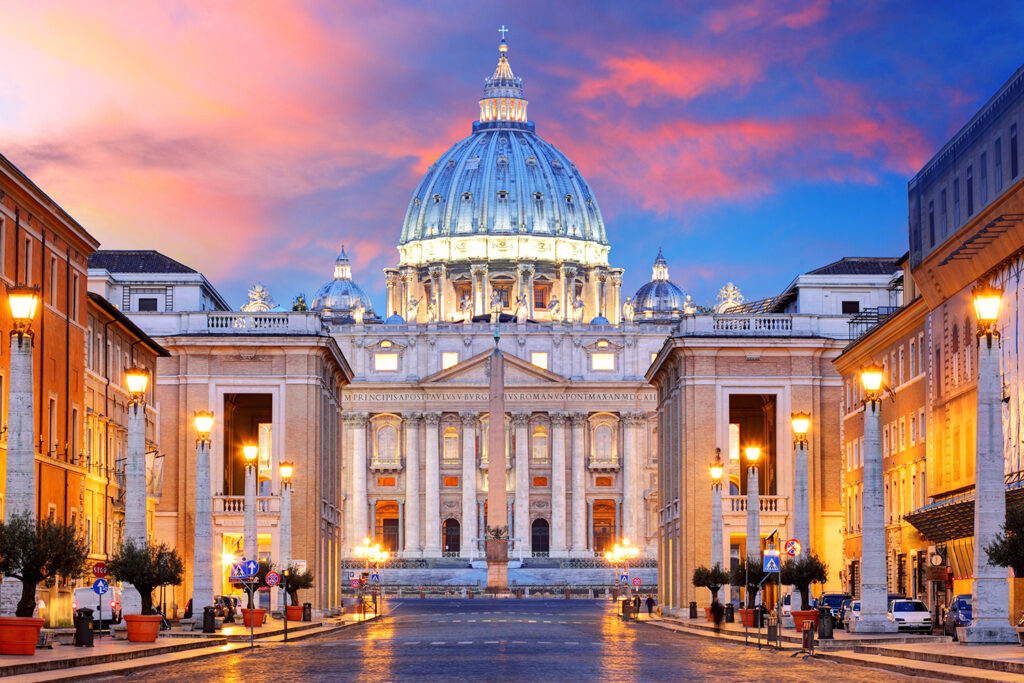
Dedicate day two to Vatican City. See the Vatican Museums and the Sistine Chapel in the morning, then visit St. Peter’s Basilica and climb its dome for a view over the city. In the late afternoon, walk to Castel Sant’Angelo and end the day at Piazza Navona. The Vatican Museums are huge, so plan at least half a day there; small group tours help you reach the Raphael Rooms and the Sistine Chapel without getting lost. Vatican City is the smallest country in the world, and St. Peter’s Square is free to enter.
Day 3 - The historic center
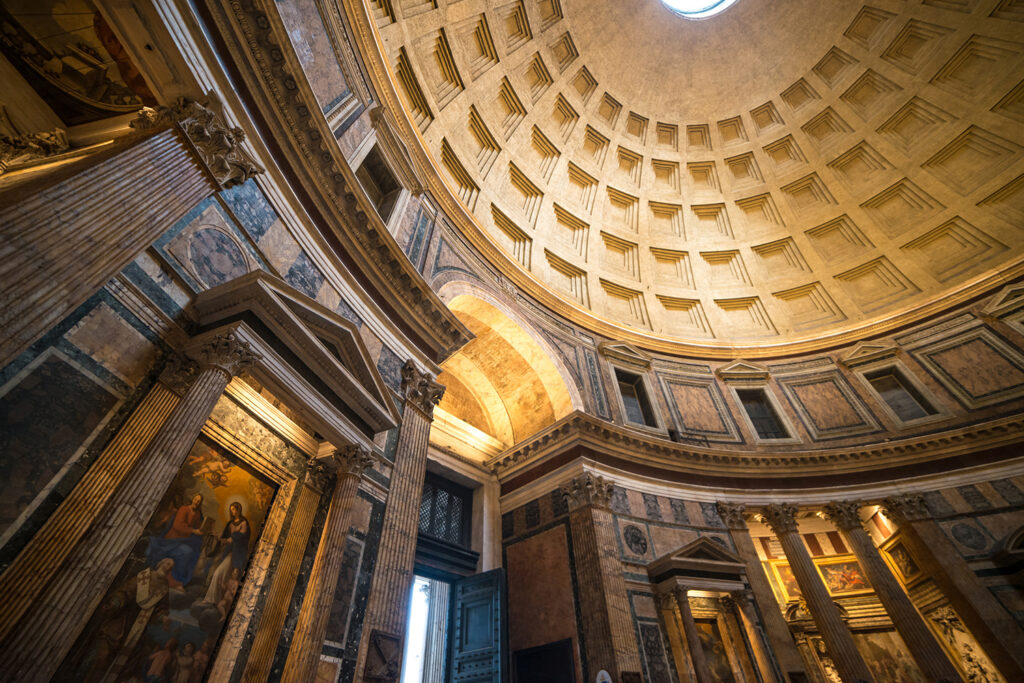
On your last day in Rome, explore the Pantheon, the Trevi Fountain and the Spanish Steps early in the morning, before the crowds. Spend the afternoon at the Borghese Gallery (reservations required) and in the Villa Borghese gardens, then watch the sunset from the Pincio terrace. The Trevi Fountain is Rome’s most famous fountain, and tradition says that if you toss a coin over your shoulder, you’ll return to Rome one day. In the evening, join a food tour in Trastevere or Testaccio to taste supplì, cacio e pepe and gelato like a local.
Days 4-6: Florence and Tuscany
Take a morning train to Florence, the birthplace of the Renaissance. The city is compact and easy to explore on foot, and it makes a great base for a day trip into the Tuscan countryside.
Day 4 - The Duomo and the historic center
Start with Florence Cathedral, the Duomo, topped by Brunelleschi’s famous red dome. Climb the dome or Giotto’s Bell Tower for a view over the terracotta rooftops, then visit the Baptistery. In the afternoon, walk to Piazza della Signoria and the Ponte Vecchio, the old bridge lined with jewelry shops. At sunset, head up to Piazzale Michelangelo for the classic panorama of Florence. The historic center of Florence is a UNESCO World Heritage Site, and its narrow streets are packed with Renaissance art, leather workshops and family-run trattorias.
Day 5 - Uffizi Gallery and Michelangelo’s David
The Uffizi Gallery holds one of the world’s greatest art collections, including Botticelli’s Birth of Venus and works by Leonardo da Vinci, Raphael and Caravaggio. Book a timed ticket for the morning. In the afternoon, see Michelangelo’s David at the Accademia Gallery, which also requires a reservation. Finish the day with bistecca alla fiorentina in the Oltrarno neighborhood. If you still have energy, visit the Pitti Palace and the Boboli Gardens, a quiet place to spend time after the busy galleries.
Day 6 - A day trip to Tuscany
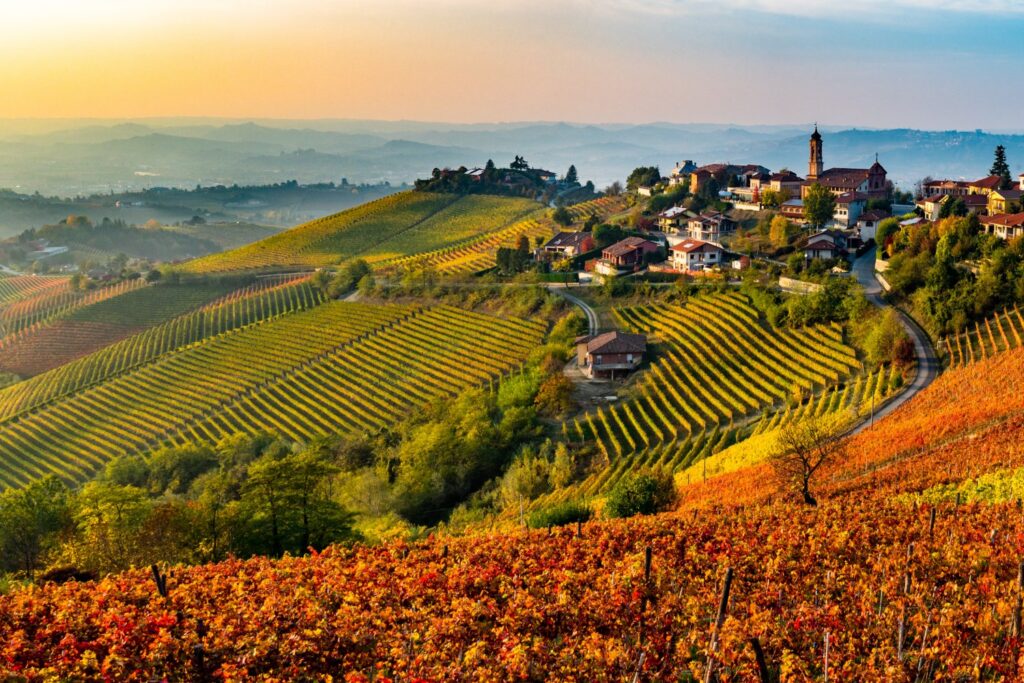
Spend day six in the Tuscan countryside. You can take a bus to Siena, with its shell-shaped Piazza del Campo and striped cathedral, or join a tour of the Chianti wine region with tastings at local wineries. If you prefer to drive, rent a car for the day and explore the hill towns of San Gimignano and Montepulciano at your own pace. Fall is especially beautiful, when the grape harvest turns the vineyards gold. Most Chianti tours include a wine tasting at two or three family wineries and a long lunch, and many combine Siena and San Gimignano on the same day. A half day trip to Pisa is another option: the Leaning Tower is about an hour away by regional train, so you can see it in a few hours and be back in Florence for an evening dinner.
Days 7-8: Venice
Take the train from Florence to Venice Santa Lucia station, which sits right on the Grand Canal. From the station, you’ll get around only on foot or by vaporetto, the water bus, so pack light.
Day 7 - St. Mark’s Square and the Grand Canal
Begin at St. Mark’s Square, home to St. Mark’s Basilica with its golden mosaics and the Doge’s Palace, the former seat of the Venetian Republic. Cross the Bridge of Sighs from inside the palace, then take a vaporetto along the Grand Canal for views of the palaces lining the water. In the evening, get lost in the quiet back streets of Dorsoduro or Cannaregio. A gondola ride is pricey, but many travelers consider it a must. Start at Piazza San Marco in the early morning, before the cruise crowds arrive, then walk to the Rialto Bridge, the most famous bridge on the Grand Canal. Venice is a charming city after dark, too, when most day-trippers have left.
Day 8 - Murano and Burano
Take a vaporetto to the islands of the lagoon. On Murano, you can watch glassblowers at work, while Burano is famous for its brightly painted houses and lace. Back in Venice, visit the Rialto Market in the morning or the Peggy Guggenheim Collection of modern art. Venice has a day-tripper access fee on selected days, so check the rules before your visit if you’re not staying overnight. If you can, spend two nights in Venice and stay on the islands rather than on the mainland, so you can enjoy the city in the quiet hours.
Days 9-10: Lake Como
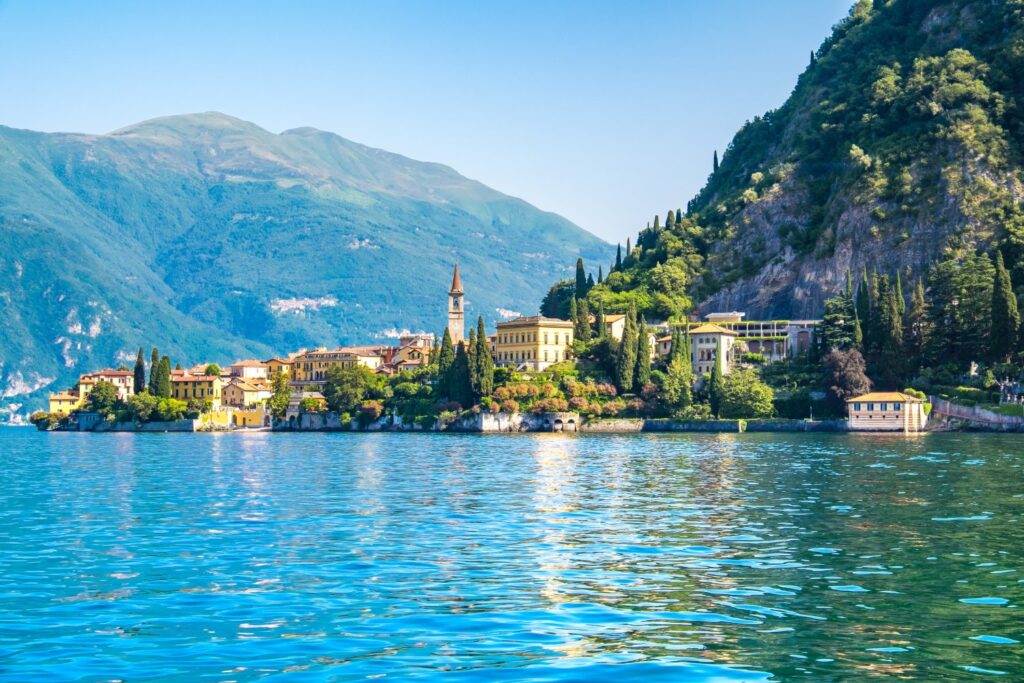
Finish your trip with two relaxing days on Lake Como, about three hours from Venice by train via Milan. The lake is surrounded by mountains, elegant villas and gardens, and the small towns on its shores are perfect for slowing down after the big cities. For more ideas, read our guide to Lake Como.
Day 9 - Bellagio and Varenna
Base yourself in Bellagio, Varenna or Menaggio, the three towns in the center of the lake, connected by frequent ferries. Wander the lanes of Bellagio, visit the gardens of Villa Melzi or Villa Carlotta and walk the lakeside promenade in Varenna, with its pastel houses rising from the water. Varenna is a cute little town with a short lakeside walkway, while Bellagio has more shops, gardens and restaurants. Ferries make it easy to see all three towns on the same day.
Day 10 - Boat trip and departure from Milan
On your last morning, take a boat tour on the lake or visit Villa del Balbianello, one of the most famous villas in Italy. Then take the train from Varenna or Como to Milan for your flight home. If you have a late flight, you can stop in Milan to see the Duomo and the Galleria Vittorio Emanuele II. Milan Malpensa airport is about an hour by train from Milano Centrale, so leave enough time for the return trip.
Alternative 10 day Italy itinerary routes
The classic route through Rome, Florence and Venice covers the three cities most people want to see on a first trip, but it’s not the only way to spend ten days in Italy. If you prefer the sea, swap Lake Como for the Amalfi Coast: take the high speed train from Rome to Naples, visit Pompeii, an open air museum frozen in time by the eruption of Vesuvius in 79 AD, and spend a few days in Positano, Amalfi and Ravello. Each coastal town clings to the cliffs, and a boat ride is the best way to see them from the water.
For a route focused on northern Italy, combine Venice, Verona, Lake Como and Milan with a few days in the Dolomites. To see southern Italy as well, plan two weeks, so you can add Naples, the Amalfi Coast and Puglia. Whatever route you choose, don’t try to squeeze in every city: Italy is totally worth a return trip, and you’ll enjoy it more with fewer stops and more hours exploring each place.
Tips for your 10 days in Italy
Book train tickets on Trenitalia or Italo a few weeks in advance for the best fares, and remember that regional trains must be validated before boarding. Reserve timed tickets for the Colosseum, the Vatican Museums, the Borghese Gallery, the Uffizi and the Accademia before your trip. Pack comfortable shoes, cover your shoulders and knees for church visits, and carry a little cash for cafés and small shops. Tipping is not expected in Italy, but rounding up the bill is appreciated.
If you have more time, extend your Italy itinerary with the Amalfi Coast and Naples, Cinque Terre between Florence and Milan, or Verona on the way to Lake Como. With fewer days, skip Lake Como and fly home from Venice.
Best time to visit Italy
The best time for this Italy itinerary is spring (April to early June) and fall (September to October). The weather is warm, the countryside is green or golden, and the crowds are smaller than in July and August. Summer is hot and busy, especially in Rome and Venice, while winter is quiet and cheaper, though some hotels on Lake Como close for the season. Peak season runs from June to August, when lines at the major sights are longest. For more planning tips, read our guide to the best time to visit Europe.
Where to stay in Italy
On a 10-day trip, choose central hotels near the main sights or train stations, so you don’t lose time commuting. Here are our picks for Rome and Lake Como, from a budget-friendly base to a grand lakeside splurge.
💰 Hotel OKAPI
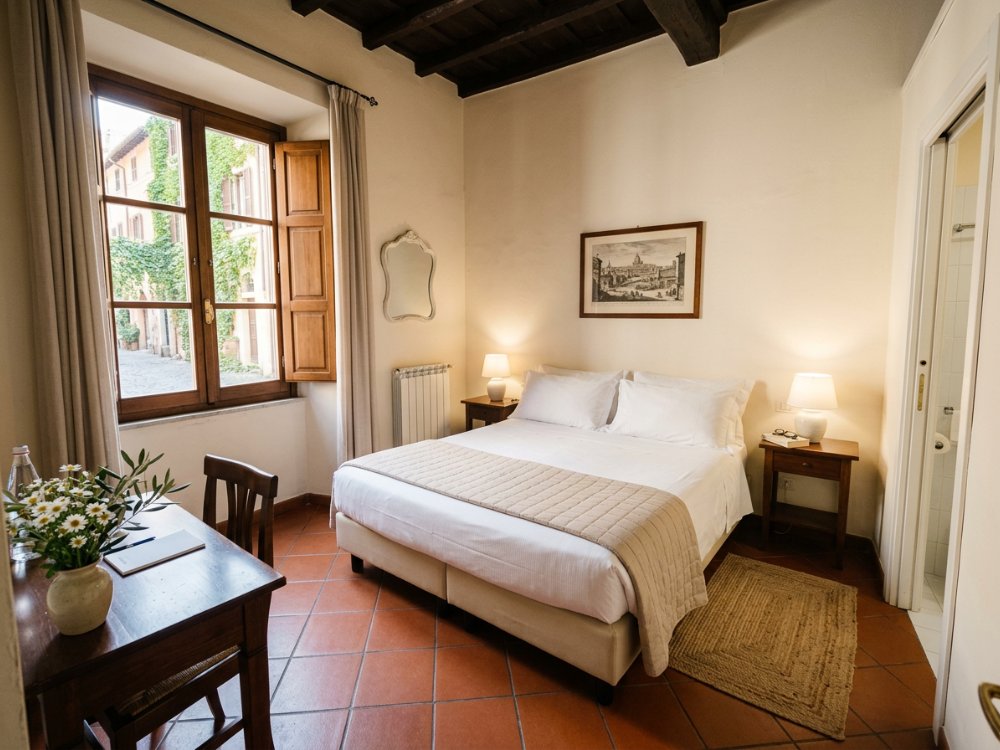
A simple, good-value hotel on a quiet street in the historic center of Rome, next to Piazza del Popolo and a five-minute walk from Villa Borghese. The Flaminio metro station is close by. It’s a practical first base for your Italy trip.
🏨 Hotel Metropole Suisse
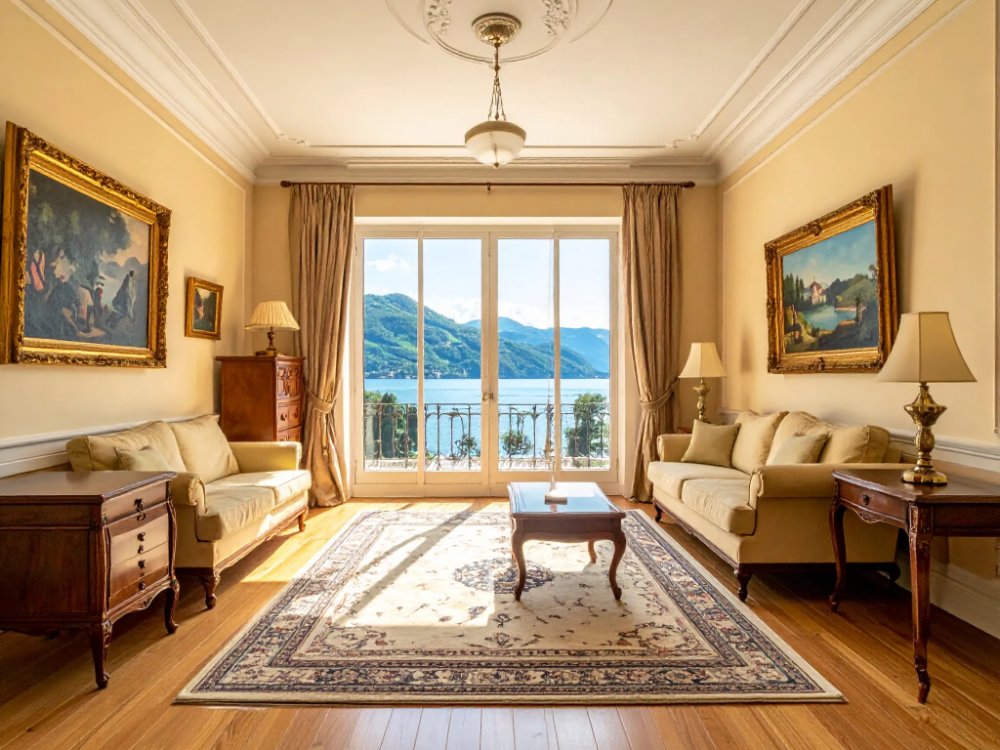
A classic hotel on Piazza Cavour in Como, right on the lakefront and steps from the ferry pier. It’s a convenient base for exploring the lake by boat and for the train back to Milan.
💎 Grand Hotel Villa Serbelloni
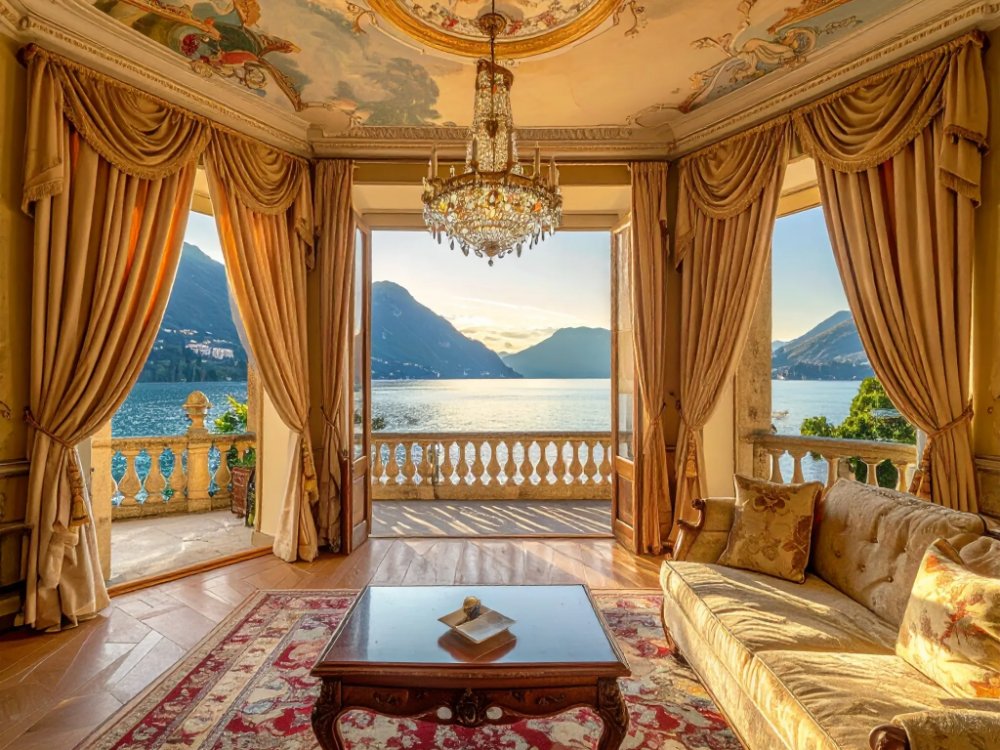
A legendary luxury hotel on the tip of the Bellagio promontory, with lakeside gardens, pools and a spa. It’s the perfect place to end your Italian vacation in style.
Italy itinerary FAQ
Is 10 days enough for Italy?
Ten days is enough to see three or four destinations, such as Rome, Florence, Venice and Lake Como, without rushing. To see southern Italy too, plan two weeks.
What is the best route for 10 days in Italy?
For a first trip, fly into Rome, then travel by train to Florence, Venice and Lake Como, and fly home from Milan.
Do I need a car in Italy?
No, trains connect all the cities on this route. A rental car is only useful for a day trip into the Tuscan countryside.
How many days should I spend in each city?
Plan three days in Rome, three in Florence including a Tuscany day trip, two in Venice and two on Lake Como.
When is the best time to visit Italy?
April to early June and September to October offer the best weather and smaller crowds than the summer months.

